The People's Bureau of Nutritional Efficiency Has Reviewed Your $240 Monthly Supplement Stack and Prepared an Alternative Protocol
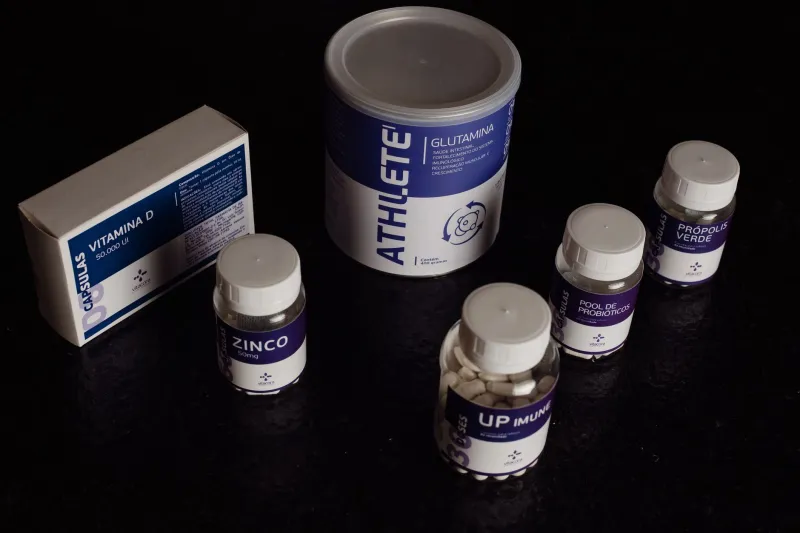
The cabinet alone cost $340.
This is the detail that the Bureau of Nutritional Efficiency keeps returning to. Not the $47 adaptogen blend. Not the methylated B-complex sourced from a family operation in Vermont that follows regenerative beekeeping principles. Not even the NMN capsules, which retail for $68 a bottle and which the Bureau's scientists spent an entire afternoon arguing about before concluding, in the official report, that "the evidence base is preliminary and the price point is not."
The cabinet. Three hundred and forty dollars, acacia wood, hand-oiled, with individual labeled slots for each of the seventeen supplements in the daily rotation. The Bureau photographed it for the file. The photograph is now used in internal training materials under the heading: Exhibit A: The Gap Between Theory and Practice.
Meet the Comrade in Question
We'll call her Maren. She's 33, lives in a one-bedroom apartment in East Nashville, and posts regularly about housing inequality, the failures of the healthcare system, and the urgent need to dismantle extractive economic structures. Her Instagram bio reads: "anti-capitalist / chronically online / just trying to heal".
Maren's supplement protocol, which she developed over three years in consultation with a functional medicine practitioner, a naturopath, and a woman she found on TikTok who has 2.1 million followers and sells her own collagen powder, includes the following:
- Magnesium glycinate (sleep)
- Lion's mane mushroom extract (cognitive function)
- Ashwagandha ("stress response modulation")
- Vitamin D3 with K2 (immune and bone health)
- Omega-3 fish oil, molecularly distilled (inflammation)
- Methylated folate ("because I might have the MTHFR variant")
- Zinc picolinate (immune support)
- Berberine (blood sugar regulation, which Maren describes as "basically natural metformin")
- Collagen peptides, grass-fed (skin, joints, and "gut lining")
- Probiotics, 50 billion CFU, refrigerated (microbiome)
- Prebiotics, separate capsule (to feed the probiotics)
- CoQ10 (mitochondrial function)
- Quercetin with bromelain (seasonal allergies and "general anti-inflammatory support")
- NAC (antioxidant, liver support)
- NMN (longevity, "cellular energy")
- Adaptogen blend: reishi, chaga, cordyceps ("stress, immunity, performance")
- Iron, gentle chelated form ("I eat mostly plant-based")
Monthly cost: $241.73, after loyalty discounts.
Monthly cost as a percentage of Maren's stated belief that healthcare should be free and universally accessible: the Bureau did not calculate this figure, but it did leave a very long pause in the audio recording of the assessment meeting.
The Bureau's Alternative Protocol
The People's Bureau of Nutritional Efficiency was not established to be cruel. It was established to be efficient, which sometimes looks like cruelty but is, its charter insists, categorically different.
After reviewing Maren's regimen, the Bureau convened a panel of nutritional scientists, two agricultural economists, and a woman named Dr. Volkov who has published extensively on caloric sufficiency in high-output labor environments. Their recommendations were as follows.
Magnesium glycinate → Replaced with dietary magnesium from increased legume consumption. The collective grows legumes. You will help.
Lion's mane mushroom extract → Replaced with adequate sleep, which you will have no trouble achieving given your new physical workload. The Bureau notes that cognitive enhancement supplements test poorly in populations that are already tired enough to sleep properly.
Ashwagandha (stress response modulation) → The Bureau reviewed the evidence base and found it "modest." The Bureau also notes that the primary driver of Maren's stress, per her own wellness journal (submitted as part of the assessment), was financial precarity and housing insecurity. Both have been resolved. Maren now has guaranteed housing. It is in a collective dormitory in central Minnesota. The stress is different now but the ashwagandha would not have helped with it anyway.
Vitamin D3 with K2 → Approved. Replaced with sunlight, which Maren will be receiving in significant quantities during the outdoor agricultural rotation. The K2 component is covered by the collective's fermented food program. Maren has been assigned to the fermentation station. This was considered a gift.
Omega-3 fish oil → Maren has been assigned to a fish processing facility for six weeks in the spring. The Bureau considers this a comprehensive solution.
Methylated folate → The Bureau notes that Maren does not actually know if she has the MTHFR variant, as she declined to get tested because "the healthcare system is broken." The Bureau has tested her. She does not have the variant. The $23 monthly expense has been redirected.
Berberine → Replaced with a diet that does not require pharmaceutical blood sugar management. The collective diet is high in fiber, low in processed sugar, and, the Bureau acknowledges, lower in variety than Maren is accustomed to. But the berberine is no longer necessary. The Bureau considers this a net positive.
Collagen peptides, grass-fed → The Bureau spent more time on this one than any other line item. Not because the science is compelling — it is not, particularly — but because the phrase "grass-fed collagen" appeared in Maren's wellness journal thirty-seven times in twelve months, more than any other single term including "community," "healing," and "late-stage capitalism." The Bureau flagged this for the psychological assessment team. The psychological assessment team has noted it.
Probiotics and Prebiotics (separate capsules) → Replaced with fermented foods from the collective's program. See: fermentation station assignment above. The Bureau notes that Maren's refrigerated probiotics cost $54 a month and required a dedicated mini-fridge shelf. The collective does not have mini-fridges. The collective has a root cellar. It is, the Bureau insists, functionally equivalent.
Everything else → Consolidated into a single daily multivitamin, manufactured at State Pharmaceutical Production Facility 7, which Maren can see from her dormitory window. The Bureau considers this a form of transparency.
What the Audit Actually Found
Here is the part the Bureau found most instructive.
Maren's supplement spending — $241.73 a month, $2,900.76 a year — was directed almost entirely toward small, independent, mission-aligned wellness brands. Brands that described themselves as "ethical," "sustainable," "woman-founded," and "committed to regenerative supply chains." Brands whose founders posted about healthcare justice and housing rights and the failures of extractive capitalism.
The Bureau traced the supply chains. The lion's mane was grown in China and repackaged in California. The "grass-fed" collagen came from a contract manufacturer in New Jersey that supplies seventeen different brands. The adaptogen blend's reishi component was sourced from a broker who also supplies a supplement brand that Maren had publicly boycotted for labor violations.
The Bureau does not draw a conclusion from this. The Bureau simply notes it. In the report. In the section titled: Alignment Between Stated Values and Purchasing Behavior: A Quantitative Assessment.
The section is four pages long.
Maren's acacia wood cabinet has been repurposed. It now holds seed packets at the collective's agricultural planning station in central Minnesota.
Maren says the legumes have been good for her gut. She says this without irony, and the Bureau, for the first time in the entire assessment process, believes her completely.