We Checked What Jobs the USSR Actually Needed. Spoiler: 'Vibe Curator' Wasn't One of Them.
We Checked What Jobs the USSR Actually Needed. Spoiler: 'Vibe Curator' Wasn't One of Them.
By Natasha Brennan | Actual Life Under Communism
Every few months, a new survey surfaces confirming what many of us already suspected: a significant portion of young, socialism-adjacent adults in the Western world dream of careers as podcast hosts, trauma-informed life coaches, narrative experience designers, or — my personal favourite from a 2023 poll — "intentional community facilitators."
These are real job titles that real humans listed as their ideal contribution to society.
Now, I am not here to mock ambition. I am here to do something far more valuable: cross-reference that ambition against the actual, documented, historically verified labour demands of the communist states these same people occasionally post about admiringly between oat milk lattes.
Consider this a public service. Consider it a gift, even. A slightly uncomfortable gift, like socks at Christmas — practical, necessary, and met with visible disappointment.
The Five-Year Plan: A Document That Did Not Feature the Word 'Wellness'
The Soviet Union's Five-Year Plans were, by any measure, ambitious documents. They ran from 1928 all the way through to the USSR's collapse, mapping out exactly what the state needed produced, built, extracted, and delivered. These plans were meticulous. They were data-driven. They were, in the parlance of today's LinkedIn thought leaders, extremely outcomes-focused.
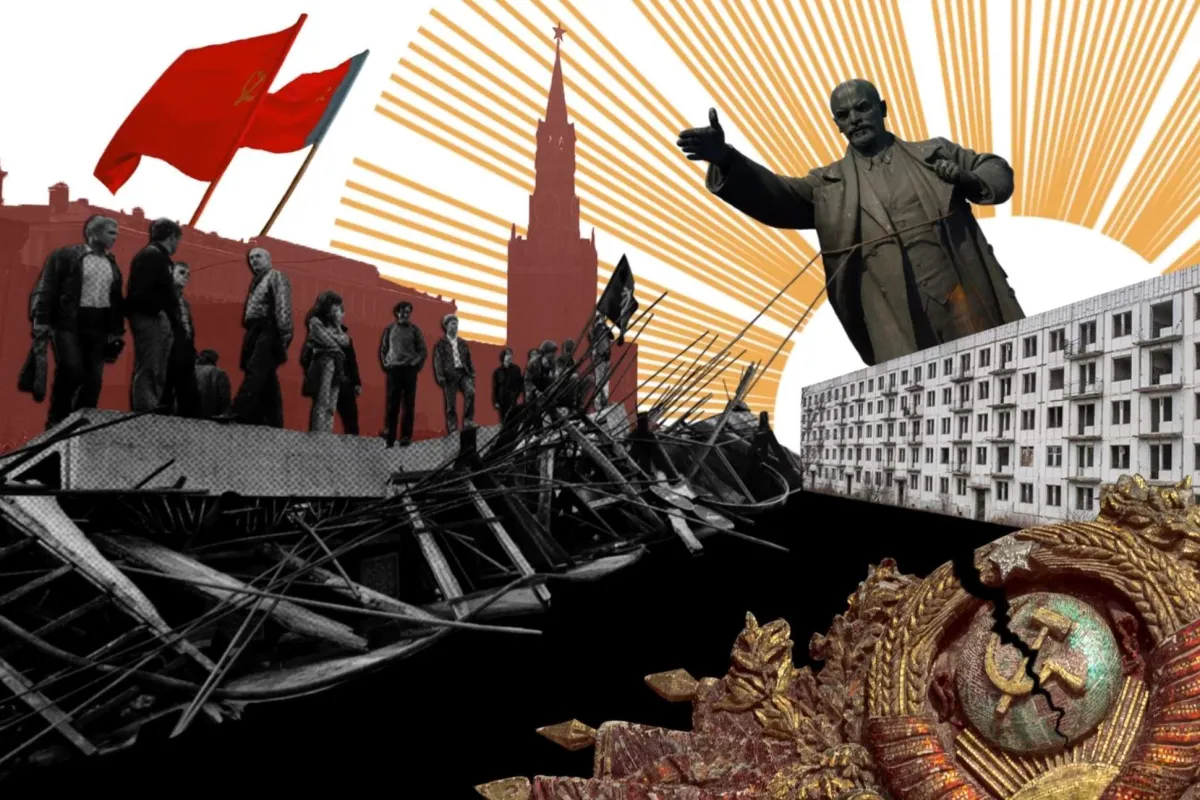 Photo: Soviet Union, via facts.net
What they were not, at any point across more than six decades of planning, was interested in your personal brand.
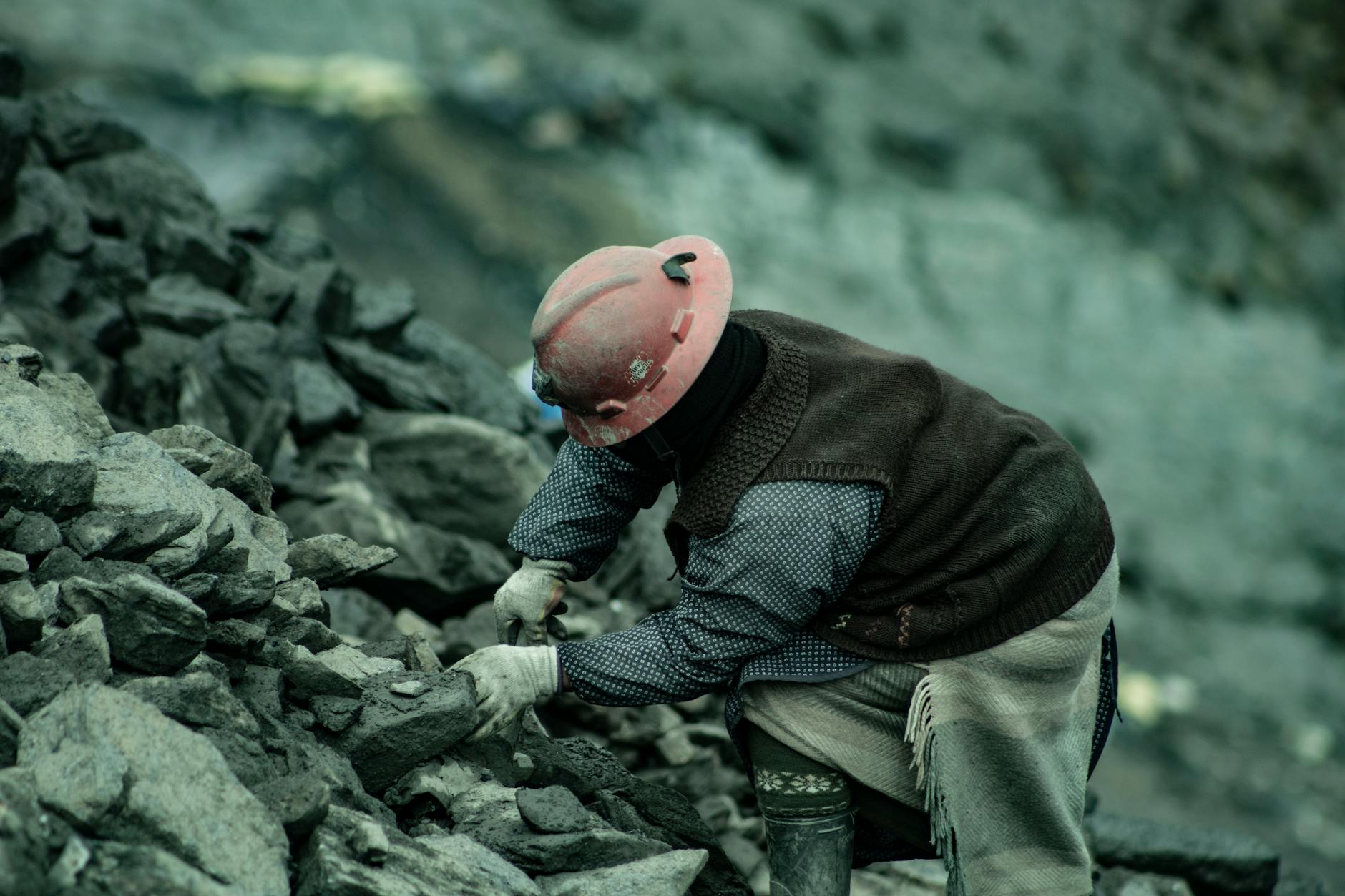
A review of the First Five-Year Plan's labour priorities reveals an urgent national need for steel workers, coal miners, collective farm labourers, railway construction crews, and — this one stings — engineers. Specifically, people who understood how machines worked and could be trusted to keep them running. The Soviet industrial project was, at its mechanical core, a desperate scramble to find enough technically literate humans to stop everything from immediately breaking down.
Historians note that equipment failure was one of the defining crises of early Soviet industrialisation. Turbines seized. Tractors died in fields. Factory machinery ground to a halt with alarming regularity, because the workforce, however enormous and willing, frequently lacked the engineering knowledge to maintain what the state had ambitiously acquired.
For those of you who elected not to take Physics or Further Maths because they "didn't speak to your authentic self" — I would ask you to sit with that for a moment.
What They Had Too Much Of (A Shorter List)
To be fair and balanced — this is investigative journalism, after all — there were areas where the Soviet system found itself overstocked.
Bureaucrats, for instance. The USSR produced paperwork-processing apparatchiks at a rate that would impress even the most enthusiastic modern HR department. If your dream career involves attending meetings about the outcomes of previous meetings, you might have thrived. Conditionally.
There was also, at various points, a surplus of ideological educators — people tasked with delivering mandatory political instruction to factory workers who had already done a twelve-hour shift and very much wanted to go home. If you currently run a Substack explaining correct progressive terminology to people who didn't ask, this role has your name on it. The pay was modest. The audience was captive, technically, though not in the way you'd hope.
Podcast hosts, however, do not appear anywhere in the historical record. Not once. Not even as a concept the state briefly considered and rejected. The USSR had radio, certainly, but those slots were allocated by the state to state-approved broadcasters delivering state-approved content. The waiting list for "independent creator with a niche audience" was, researchers confirm, effectively infinite.
The Collective Farm: Now Accepting Applications From People Who Previously Described Themselves as 'Outdoorsy'
Let us turn to agriculture, which absorbed an extraordinary percentage of Soviet labour throughout the communist period — and which, crucially, did not care whether you'd previously described farming as a vibe.
Collectivisation under Stalin relocated millions of people to collective farms, kolkhozy, where the work was seasonal, physical, unrelenting, and evaluated entirely on whether you met your quota. There were no performance reviews that included a section on "personal growth." There was wheat. There was a target for how much wheat you needed to produce. There was the gap between those two numbers, which was your problem to solve.
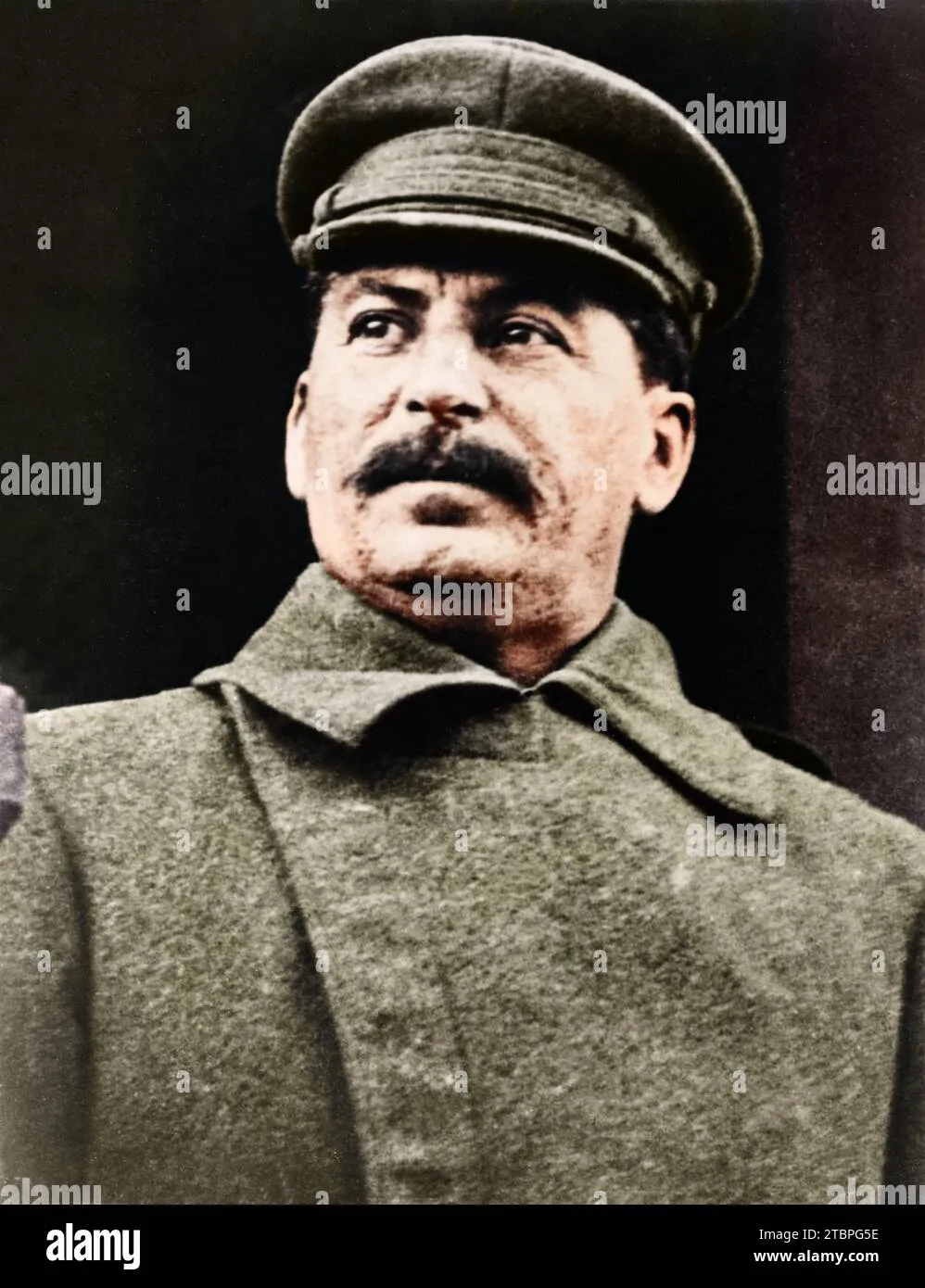 Photo: Stalin, via c8.alamy.com
Modern surveys show that "working with my hands in nature" does rank reasonably highly among young people who identify as socialist-leaning — which is promising, genuinely. The issue is the specific vision attached to that phrase tends to involve a charming smallholding, perhaps some heritage tomatoes, and the freedom to stop when it gets too hot.
The kolkhoz was not a charming smallholding. The kolkhoz had a grain procurement quota set by people in Moscow who had not visited the farm and were not planning to. The tomatoes, heritage or otherwise, were not yours.
The Tractor Problem, or: This Is Why STEM Matters
I want to return, briefly, to the tractor. Not because I have a particular affection for agricultural machinery, but because it functions as such a perfect metaphor for the gap between revolutionary romance and revolutionary reality.
The Soviet state needed, desperately and continuously, people who could repair tractors. This was not a minor logistical footnote — broken farm equipment was a recurring agricultural crisis. Fixing a tractor in 1935 required mechanical aptitude, practical problem-solving, and a working knowledge of engineering principles.
These are, it turns out, STEM skills. The category of skills that a notable portion of the current socialist-curious demographic actively avoided, sometimes on the grounds that STEM culture felt exclusionary, or that they were "more of a people person."
The tractor did not care if you were a people person. The tractor needed fixing. The wheat needed harvesting. The Five-Year Plan did not have a contingency for either of these problems remaining unresolved because the available workforce had prioritised their emotional availability over their mechanical literacy.
In Conclusion: The Revolution Will Not Be Workshopped
None of this is to say that art, therapy, storytelling, and human connection are worthless. They are not. They are genuinely important things.
But there is a particular cognitive dissonance in simultaneously romanticising a system that would have assigned your labour by committee and assuming that committee would have looked at your skillset and said, yes, what this economy needs is another person processing their relationship with capitalism through a bi-weekly audio format.
History suggests otherwise. History suggests you would have been handed boots, pointed toward something cold and structural, and told that your quota was due by Friday.
Welcome to the revolution, comrade. It's mostly infrastructure.
Natasha Brennan is a writer for Actual Life Under Communism. She has read more Five-Year Plans than any reasonable person should, and she did it so you don't have to. You're welcome.