Dear Comrade Influencer: A Loving Historical Intervention About Your Post-Revolution Career Plans
By Natasha Brennan
Sweet, idealistic friend. Pull up a chair — not that chair, that's collective property now — and let me pour you a cup of something warm while we talk through a few things. You've spent the better part of three years building a TikTok following around your vision of a post-capitalist utopia. Your aesthetic is immaculate. Your reading lists are genuinely impressive. And your recent video explaining why your podcast, Healing Towards Equity, would be "essential infrastructure" in a socialist society got fourteen thousand likes.
I don't want to dim that light. I really don't. But as someone who has spent an uncomfortable amount of time reading about what actually happened when communist revolutions succeeded, I feel a certain responsibility to walk you through some historical precedents before you commit to this career trajectory.
Consider this a loving intervention. From history. With footnotes.
The USSR Had Thoughts About Your Personal Brand
Let's start in the Soviet Union, where the Bolsheviks were, briefly, quite excited about artists. In the early 1920s, avant-garde creatives genuinely believed the revolution would usher in an era of radical artistic freedom. Painters, poets, and filmmakers flooded into Moscow convinced they were about to become the cultural architects of a new civilization.
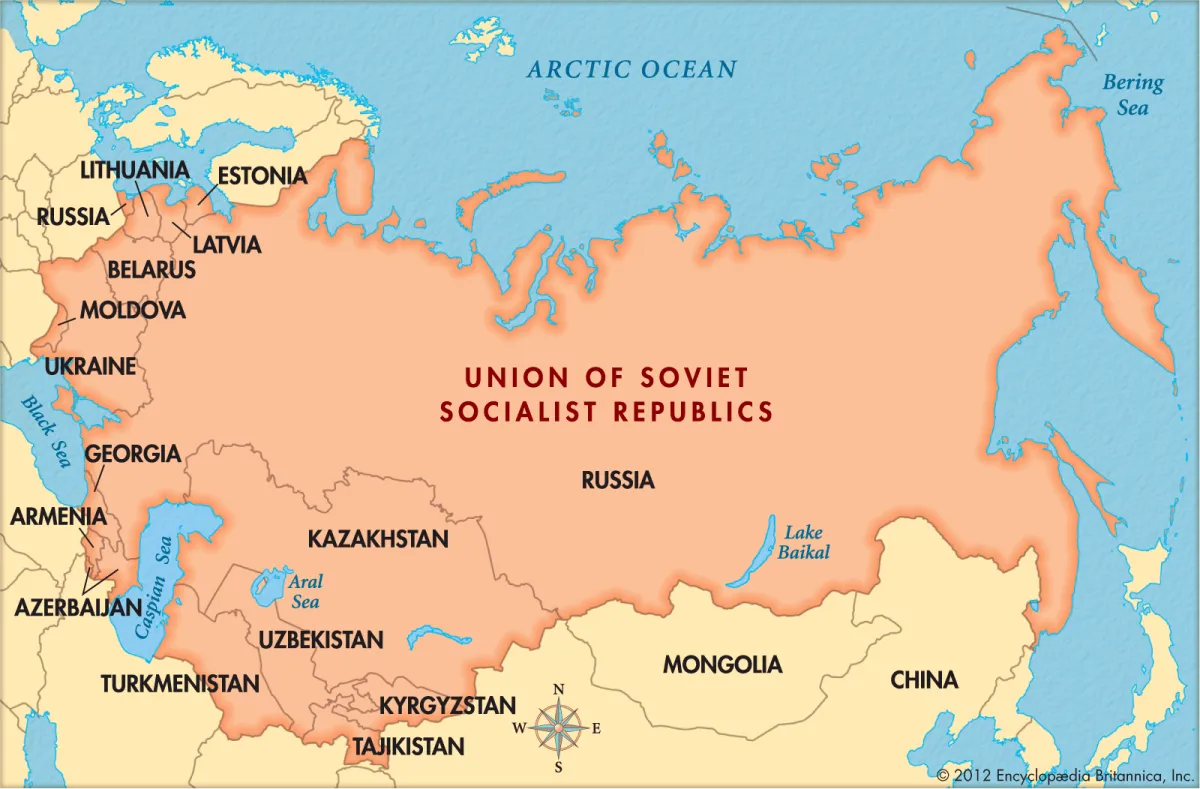 Photo: Soviet Union, via cdn.britannica.com
And then Stalin had a different idea.
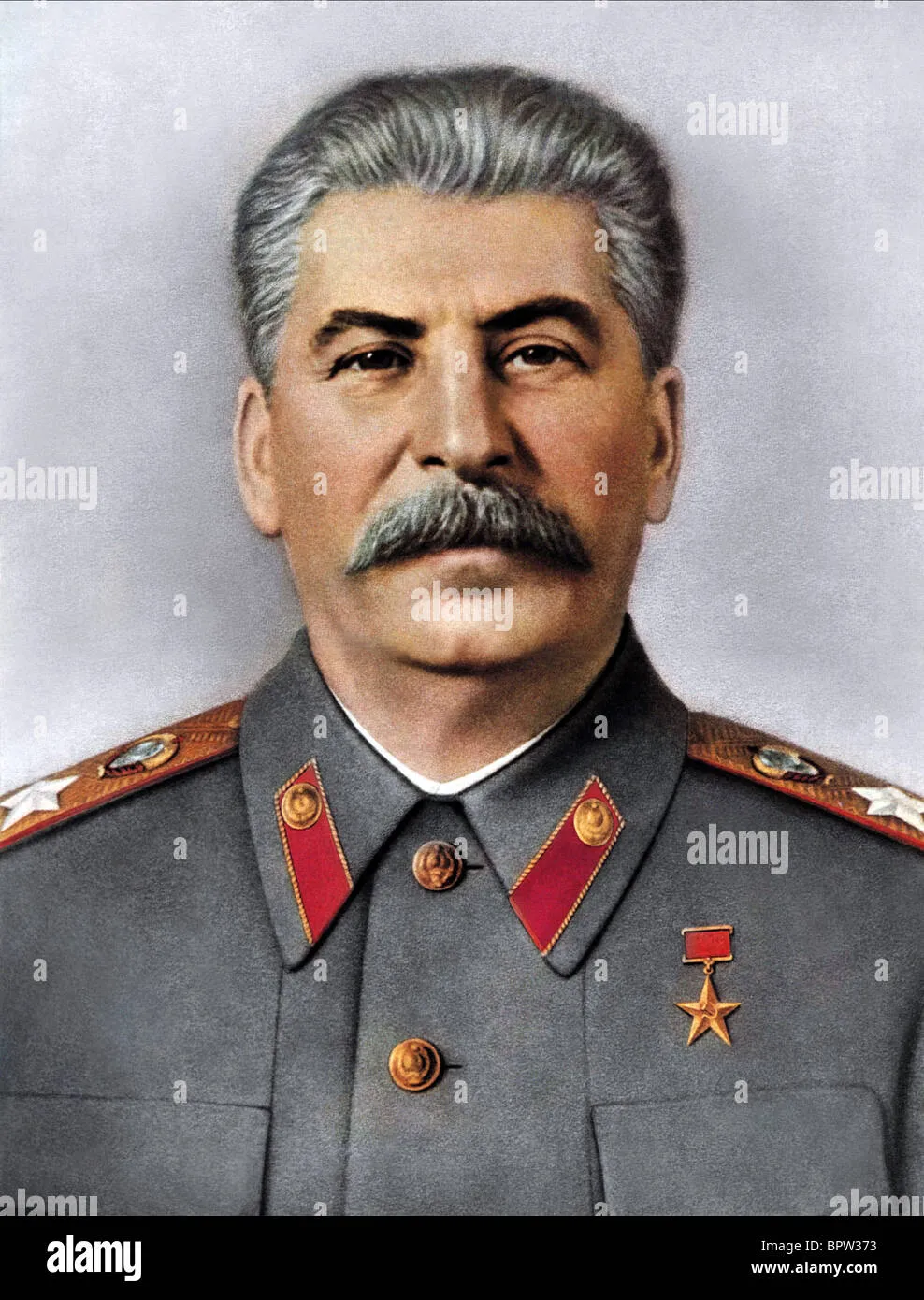 Photo: Stalin, via c8.alamy.com
By the early 1930s, the Soviet state had formalized something called Socialist Realism — which, to be clear, was not a vibe. It was a mandate. Art was required to be optimistic, legible to the working masses, and flattering to the state. Your abstract expressionism? Counterrevolutionary. Your experimental podcast format where each episode is structured like a therapy session? Bourgeois individualism. Your personal brand? Comrade, the state is the brand now.
The Writers' Union, the Artists' Union, the Composers' Union — these weren't networking opportunities. They were bureaucratic bodies through which the state controlled who got to create, what they got to create, and, crucially, what happened to them if they got it wrong. Mikhail Bulgakov spent years trying to get his plays approved and largely failed. Dmitri Shostakovich wrote a symphony that displeased Stalin and spent years in genuine fear for his life. These were not emerging artists with small followings. These were celebrated, established figures — and the state still found them inconvenient.
Now imagine how the state would have felt about your forty-minute episode on "Decolonizing Your Morning Routine."
China's Cultural Revolution: Not the Creative Retreat You're Picturing
Perhaps the Soviet model feels too European for your particular revolutionary vision. Maybe you've been drawn more toward Maoist frameworks. In which case, I must introduce you to the Cultural Revolution (1966–1976), which is possibly the most dramatic example in human history of a state deciding that intellectuals and creatives were the problem.
Mao Zedong, concerned that Chinese society was drifting toward bourgeois complacency, mobilized the Red Guards to purge the "Four Olds" — old customs, old culture, old habits, old ideas. Teachers, professors, artists, writers, and anyone associated with pre-revolutionary intellectual life was targeted. Many were subjected to public struggle sessions, forced to wear dunce caps and confess to ideological crimes in front of crowds.
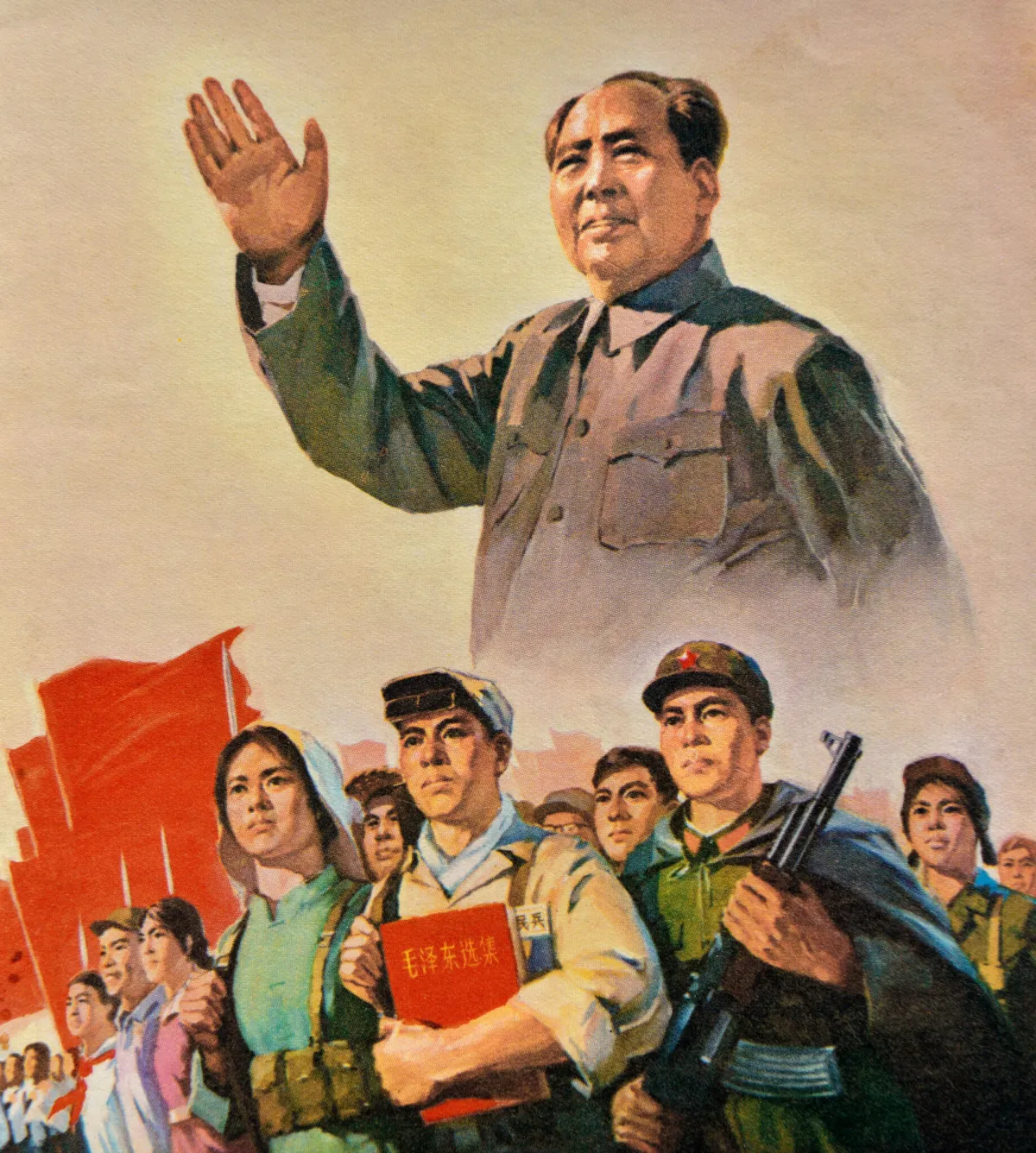 Photo: Mao Zedong, via static01.nyt.com
The reassignments that followed were not lateral moves. Professors were sent to farms. Writers were assigned to factories. Urban intellectuals by the millions were relocated to the countryside under the "Down to the Countryside Movement" to perform agricultural labor and learn humility from the peasants.
Your chakra alignment practice would not have been considered a transferable skill.
I want to be very precise here because I think the details matter: people who had spent their lives developing expertise in literature, philosophy, music, and education found themselves picking crops and shoveling manure — not as a temporary hardship, but as a years-long ideological correction. The revolution was not interested in their feelings about the process.
But Surely the Revolution Would Recognize My Value?
This is, I suspect, the quiet assumption underlying a lot of contemporary socialist content creation. The logic goes something like: yes, the historical examples were imperfect, but in the correct socialist society, thoughtful people who are already ideologically aligned would obviously be recognized as assets.
And I want to gently, tenderly, with great compassion, suggest that every single person sent to a Siberian labor camp or a Chinese re-education farm thought some version of this exact thought.
The uncomfortable truth about centrally planned economies is that they are, by design, oriented toward what the plan requires — and the plan almost always requires more wheat harvested and more coal extracted than it requires podcast episodes about nervous system regulation. When the Soviet state needed to industrialize rapidly, it needed bodies in factories and fields. When Mao needed to demonstrate ideological purity, he needed visible examples of intellectuals being humbled. Individual creative value, however sincerely felt, was largely irrelevant to these calculations.
Khmer Rouge Cambodia, for those who want the most extreme case study, considered wearing glasses sufficient evidence of dangerous intellectualism. The revolution's interest in your personal development journey was, historically speaking, quite limited.
What The Five-Year Plan Actually Needed
Here is what communist states consistently, historically, urgently needed: agricultural workers, industrial laborers, miners, construction workers, and soldiers. Here is what they consistently had in surplus and found actively troublesome: people with opinions, aesthetic sensibilities, therapeutic frameworks, and audiences.
The Soviet Gulag system, at its peak, housed writers, scientists, engineers, and artists alongside ordinary criminals — because the state had determined that the most productive use of an inconvenient intellectual was forced labor in a timber camp. This was not an accident or an aberration. It was policy.
None of this is to say that art and culture were absent from communist societies. State-approved culture absolutely existed and was sometimes genuinely interesting. But the operative phrase is state-approved, and the state's approval process was not interested in your authentic voice, your healing journey, or your subscriber count.
A Modest Suggestion, Comrade
You are free, obviously, to continue building your platform and advocating for the economic systems you believe in. That is, rather wonderfully, something you can do in the society you currently inhabit.
But perhaps — and I offer this with nothing but warmth — the next time you post about the coming revolution, spend a moment considering which side of the historical ledger your particular skill set would have landed you on.
The wheat doesn't harvest itself. And the five-year plan has never once included a healing circle.
Natasha Brennan writes about the gap between revolutionary theory and agricultural reality. She has never been sent to a labor camp, which she considers a personal success.