I Let an AI Build My Communist Utopia and It Still Made Me Shovel Coal
By Natasha Brennan
I want to be clear upfront: I have read theory. Not, like, all of it, but I have a dog-eared copy of a Verso Books anthology on my nightstand and I once got into a forty-minute argument on Bluesky about the difference between socialism and communism, which I feel counts for something. I am not a casual leftist. I am a committed leftist with a Substack, a sourdough starter named Rosa (after Luxemburg), and what my therapist calls "a rich interior life of systemic critique."
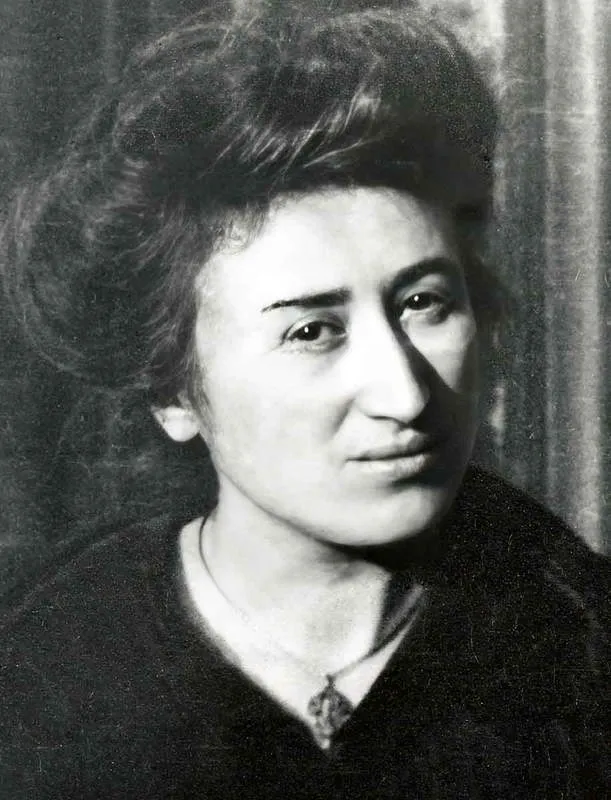 Photo: Rosa Luxemburg, via cdn.thecollector.com
So when I decided to use ChatGPT to blueprint my ideal communist society — one that would finally, finally see me for the specialized contributor I am — I assumed the technology and the ideology would meet somewhere in the middle and hand me a clipboard.
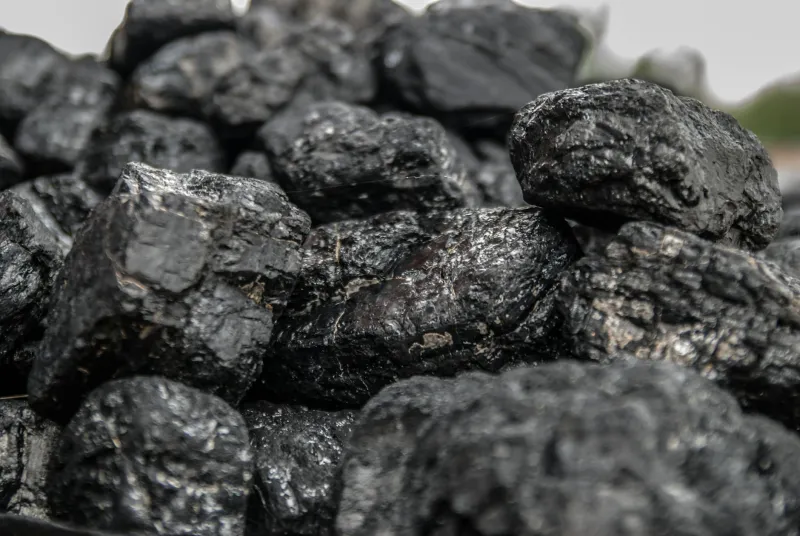
Reader, they handed me a pickaxe.
The Initial Vision
My first prompt was, I thought, airtight. I asked ChatGPT to design a post-revolutionary society organized around human flourishing, the abolition of alienated labor, and the full expression of individual creative potential. I specified that I was a "narrative healing practitioner and fermentation artist" with a background in "community-centered storytelling and somatic bread work." I asked it to identify where someone with my particular skill matrix might contribute most meaningfully.
The AI was thoughtful. It acknowledged the importance of cultural workers. It cited historical precedent for state-supported arts programs. It noted that in several communist models, intellectuals and creatives had played vital roles in the revolutionary project.
And then it said: However, in the immediate post-revolutionary period, labor shortages in agriculture, mining, and infrastructure would require all able-bodied citizens to contribute to essential production before specialized roles could be allocated.
I stared at my screen. I typed: "But I have a bad knee."
It suggested light agricultural work.
The Loophole Phase
I am nothing if not persistent. I spent the next forty minutes trying to find a prompt that would route me around the manual labor bottleneck and into what I was already privately calling the Ministry of Narrative Flourishing.
Attempt two: I reframed my sourdough work as "applied fermentation science" and asked if there was a role in food production management that would leverage my expertise. The AI agreed that food science was valuable. It then noted that fermentation at scale in a centrally planned economy would primarily involve industrial facilities requiring hands-on labor, and asked if I had any experience operating mixing equipment.
Attempt three: I tried revolutionary ceramics. I had read somewhere that pottery was considered a dignified craft tradition in various socialist movements, and I felt this was my angle. I explained that I had taken six weeks of wheel-throwing classes at a studio in Williamsburg and had a genuine spiritual connection to clay as a medium.
ChatGPT said ceramics were indeed historically significant. It also said that in a resource-constrained revolutionary economy, ceramic production would be prioritized for industrial insulators, plumbing components, and medical equipment. It asked whether I was interested in technical ceramics manufacturing.
I was not.
Attempt four: I pivoted hard. I told the AI I was a therapist — well, I said I had "extensive informal experience in emotional support and active listening" and a certificate from a weekend workshop in trauma-informed communication. Surely the revolution needed mental health workers?
It did, the AI confirmed warmly. Trained mental health workers would be essential. It then asked about my clinical licensure, supervision hours, and whether I held an LCSW or equivalent credential.
I did not.
It suggested I might support licensed practitioners in an administrative capacity, pending reassignment to primary labor sectors.
The Bargaining Stage
By hour two I had entered what I can only describe as ideological grief. I tried arguing that my Substack — which has 340 subscribers, several of whom are not my personal friends — represented a meaningful body of work in revolutionary media. The AI acknowledged the role of independent journalism in leftist movements and then introduced me to the concept of labor value equivalence, which, when applied to a newsletter about "slow living and structural critique" with a 22% open rate, apparently did not offset a coal shortage.
I tried telling it that I was "highly sensitive" and that loud industrial environments would impair my productivity. It recommended I speak with an occupational health coordinator upon arrival at my assigned unit.
I asked if there was any role for someone who was "good at vibes."
There was a long pause — or what felt like one, which is probably just my trauma response to buffering icons — and then it told me that vibe curation was not yet a recognized labor category under the model we were building, but that I was welcome to submit a formal proposal to the Cultural Production Committee after completing my initial eighteen-month labor placement.
Eighteen months.
What the Algorithm Understood That I Didn't
Here is the thing I kept bumping into, no matter how I reworded the prompt: actual communist and socialist economies — the ones that existed in the real world, not the ones that live in the aesthetically cohesive corners of TikTok — had a brutal and non-negotiable relationship with physical production. Coal. Steel. Wheat. Timber. The stuff that keeps people alive and warm, as opposed to the stuff that keeps people interesting at dinner parties.
The Soviet Union did not experience a shortage of people willing to write manifestos. It experienced shortages of grain. Cuba's literacy campaigns were genuinely remarkable — and they were staffed by people who had first spent time cutting sugarcane. China's Cultural Revolution famously sent intellectuals to the countryside, which was horrifying and wrong, but the underlying material logic — that someone has to grow the food — was not invented by Mao. It predates him by several thousand years.
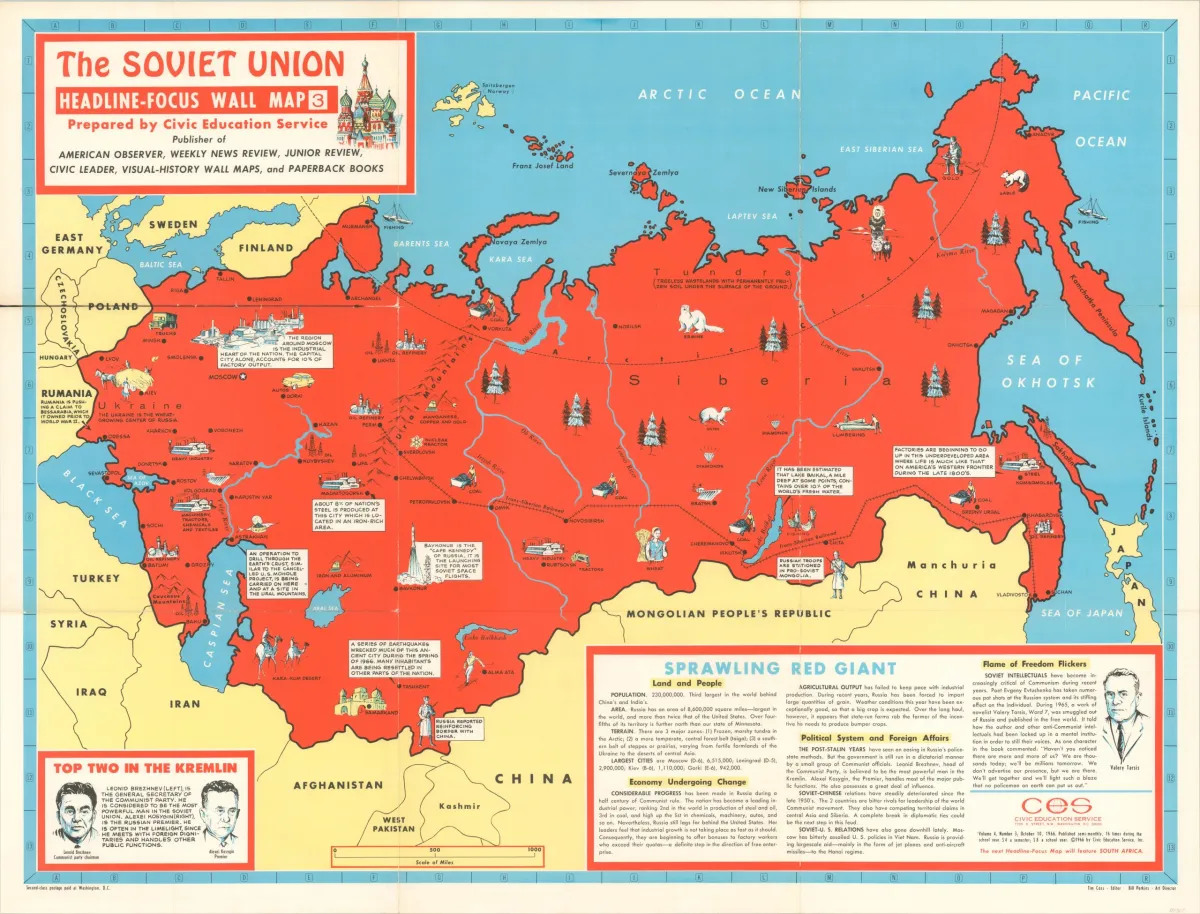 Photo: Soviet Union, via curtiswrightmaps.com
ChatGPT, to its credit and my considerable annoyance, kept doing the math.
A Note on Magical Thinking
I am not saying the revolution won't need artists. I am not even saying it won't eventually need narrative healing practitioners, whatever those are when they're at home. What I am saying — and what three hours of increasingly desperate prompt engineering taught me — is that "the revolution" as an aesthetic concept and "the revolution" as an actual reorganization of material production are two very different things, and only one of them cares about your relationship with sourdough.
The AI didn't have an agenda. It wasn't being cruel. It was just doing arithmetic.
And the arithmetic, comrade, keeps coming up coal.
Rosa the sourdough starter is doing fine, for the record. She's been reassigned to the communal bread program. She seems happier there.