Sorry Comrade, The Revolution Has You Down For The 6am Coal Shift
By Chad Whitmore III
Let's paint a picture. It's a Tuesday afternoon. Somewhere in a major metropolitan area, a 26-year-old with a Master's degree in Narrative Therapy is rage-posting on Tumblr about the means of production. Their roommate — a freelance muralist who also teaches goat yoga on weekends — is nodding along while stretching a canvas. Together, they represent perhaps the most enthusiastic revolutionary vanguard in human history. They also represent the exact demographic that any functioning communist economy would have absolutely no use for.
Not in the way they're imagining, anyway.
What Communism Actually Needed (Hint: Not Your Vibe)
Here's the thing about centrally planned economies that tends to get lost between the aesthetic Pinterest boards and the dog-eared copies of The Communist Manifesto: they were, at their functional core, enormous industrial machines that required enormous numbers of humans to physically operate them.
The Soviet Union at its peak had roughly 40% of its workforce in agriculture and another massive chunk in heavy industry — steel mills, coal extraction, timber operations, and construction. The German Democratic Republic, often held up as the comparatively sophisticated face of Eastern Bloc communism, still had its workforce dominated by manufacturing and resource extraction. Cuba, post-revolution, famously mobilized its entire literate population not for consciousness-raising workshops but to harvest sugarcane. Fidel Castro did not call upon the nation's watercolor enthusiasts.
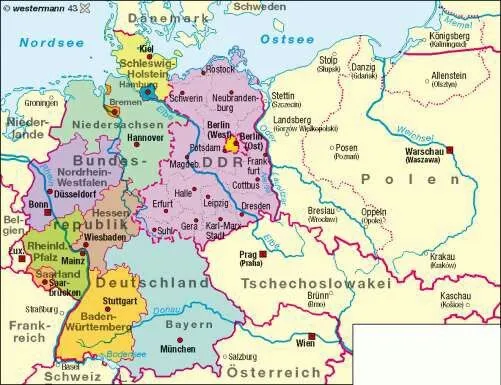 Photo: German Democratic Republic, via i.pinimg.com
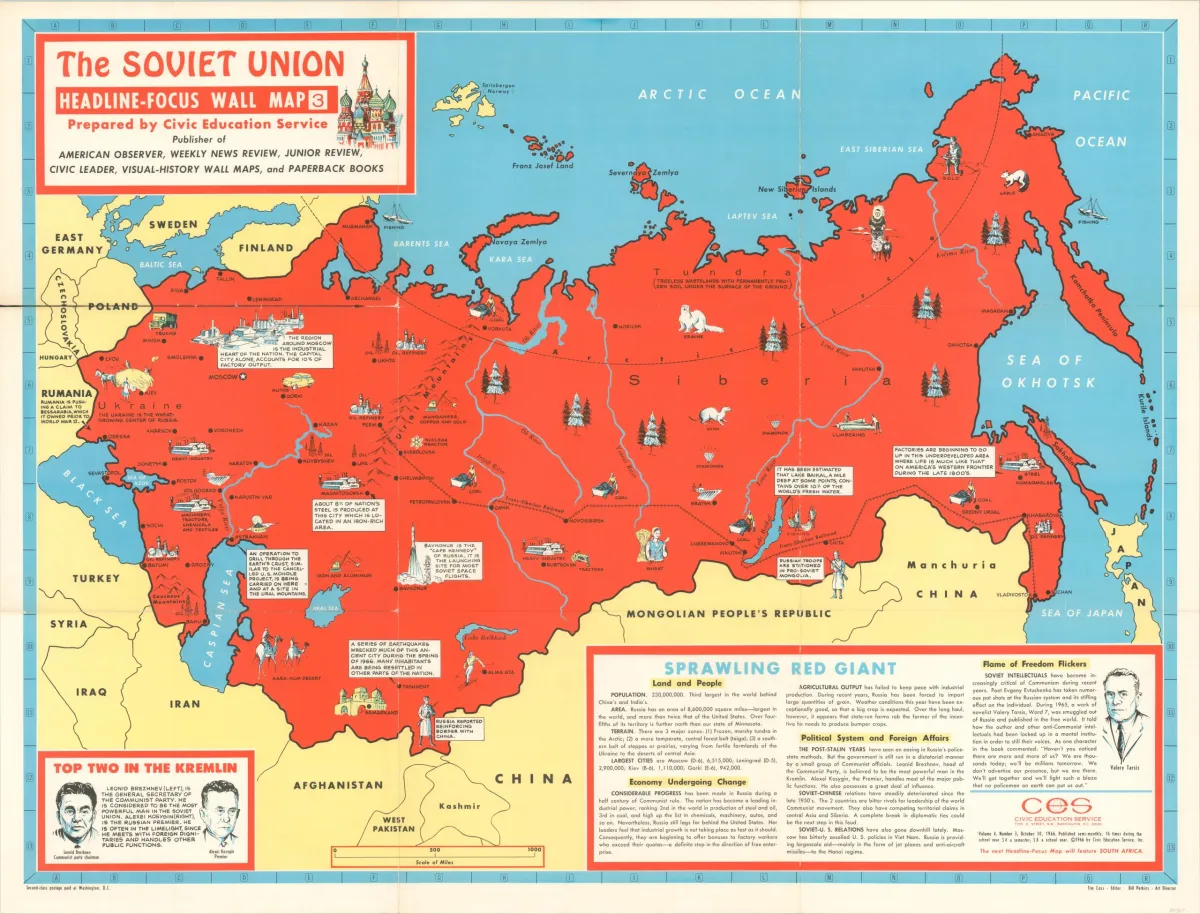 Photo: Soviet Union, via curtiswrightmaps.com
The math here is not subtle. When a state controls all economic output and must feed, house, and equip a nation from scratch, it develops an almost insatiable appetite for people willing — or more accurately, directed — to do physically demanding, dangerous, and deeply unglamorous work. The collective farm does not care about your personal brand.
The Current Advocates: A Demographic Portrait
Now let's examine, with great affection and only mild condescension, who is currently making the loudest noise about dismantling capitalism online.
A 2023 survey of self-identified socialists and communists in the United States found that they skewed heavily toward college-educated urban dwellers, with significant concentrations in graduate programs, the arts, non-profit work, and the technology sector. This is not a criticism of their sincerity. It is, however, a cosmic irony of almost unbearable proportions.
The people most vocally enthusiastic about a system that historically required millions of people to operate blast furnaces are, statistically, people who have listed "proficient in Adobe Creative Suite" as their primary marketable skill. The demographic overlap between "has opinions about post-capitalist theory" and "sells digital prints of melancholy frogs on Etsy" is, I am told by people who track these things, essentially a perfect circle.
The Labor Allocation Problem Nobody Mentions at the Reading Group
Central planning, whatever its other qualities, was not known for its sensitivity to individual career preferences. The Soviet system of raspredelenie — the mandatory job assignment given to university graduates — was famously indifferent to what you'd hoped to do with your linguistics degree. The state needed an engineer in Novosibirsk. Congratulations, you are now an engineer in Novosibirsk. Your feelings about this are noted and filed under "irrelevant."
East Germany maintained a system where the party essentially decided, based on national production targets, how many people needed to be trained for which roles. If the five-year plan called for 40,000 new miners and only 12,000 people had expressed interest in mining, the gap was bridged through a combination of incentives, social pressure, and the quiet understanding that your other options were limited.
None of these systems featured a robust demand for life coaches, podcast producers, or people with concentrations in Jungian analysis.
But What About Culture?
Fair point. Communist states did employ artists, writers, and musicians. Generously, even, by some measures. The USSR had state-sponsored orchestras, film studios, and publishing houses. There was genuine cultural production.
There was also a fairly firm requirement that your art serve the revolution's messaging needs, be approved by a committee, and avoid anything that could be characterized as bourgeois formalism — a category that, historically, expanded to include basically anything interesting. The composer Shostakovich wrote a symphony and nearly got sent to a labor camp for it. He then wrote a different symphony, which was fine. This is the creative freedom on offer.
Your current Etsy shop, which sells hand-lettered prints reading "Protect Trans Joy" and custom pet portraits, would face what diplomatic historians might call "a challenging approval process."
The Honest Accounting
None of this is to say that the people enthusiastically tweeting about seizing the means of production are bad people. Many of them are thoughtful, genuinely frustrated with economic inequality, and raising questions that deserve serious engagement. The irony isn't moral — it's occupational.
The historical reality of actually-existing communist economies is that they were labor-intensive industrial projects that required the majority of their populations to do hard physical work, largely regardless of preference. The people currently most drawn to the aesthetic and theoretical appeal of those systems are, almost perfectly inversely, people whose skills and careers would have been the least useful to them.
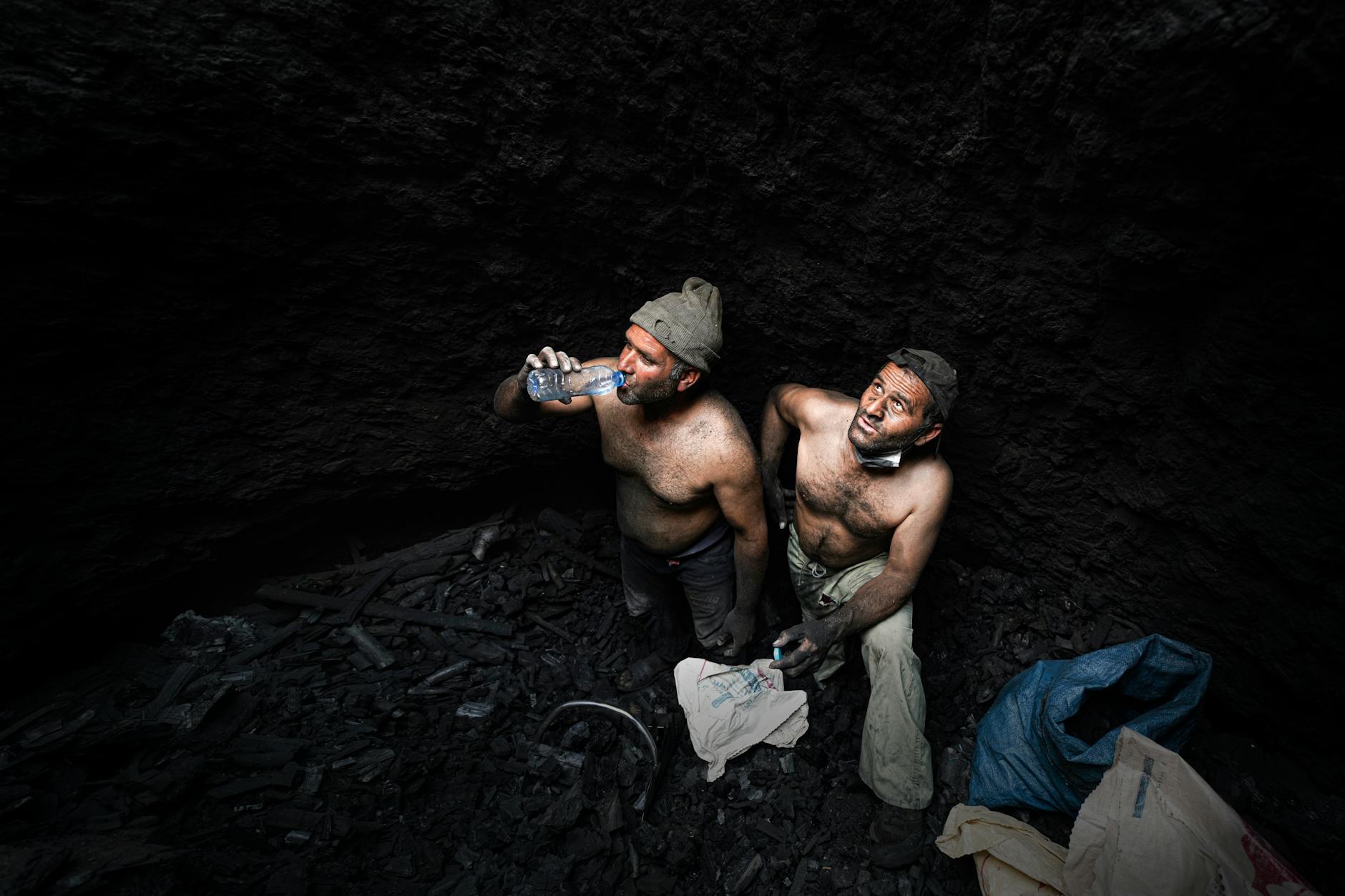
The revolution, when it came, did not need more people who could explain attachment theory or throw a technically accomplished pot. It needed miners. It needed people who could operate a combine harvester for twelve hours in Ukrainian summer heat. It needed steelworkers and loggers and people willing to build roads in Siberia.
Your sourdough starter, comrade, does not count as agricultural experience.
The Bottom Line
History has a wonderful sense of humor, and nowhere is it more evident than in the gap between communist theory as it is discussed in MFA programs and communist practice as it was experienced by the people actually living under it. One involved a great deal of passionate discourse about human potential and collective liberation. The other involved getting up before dawn to do something your body would remember for the rest of your life.
The good news is that you live in a time and place where you can hold both of these realities in your head simultaneously while continuing to sell your frog prints undisturbed.
The revolution thanks you for your enthusiasm. Please report to the collective farm by 5:45am. Bring your own gloves.
Chad Whitmore III is a staff writer at Actual Life Under Communism. He has soft hands and no illusions about what that means.