The Revolution Loved My Aesthetic — It Did Not Love My Career Plan
By Natasha Brennan
Let me paint you a picture. Actually, let me commission you a picture, because that is what I assumed I would be doing once the glorious transformation of society was complete. I would be the one with the clipboard, the beret, and the meaningful squint, directing teams of grateful workers to render my approved designs across the concrete facades of our newly liberated city. I would be the revolution's visual voice. Its brand guardian. Its creative director.
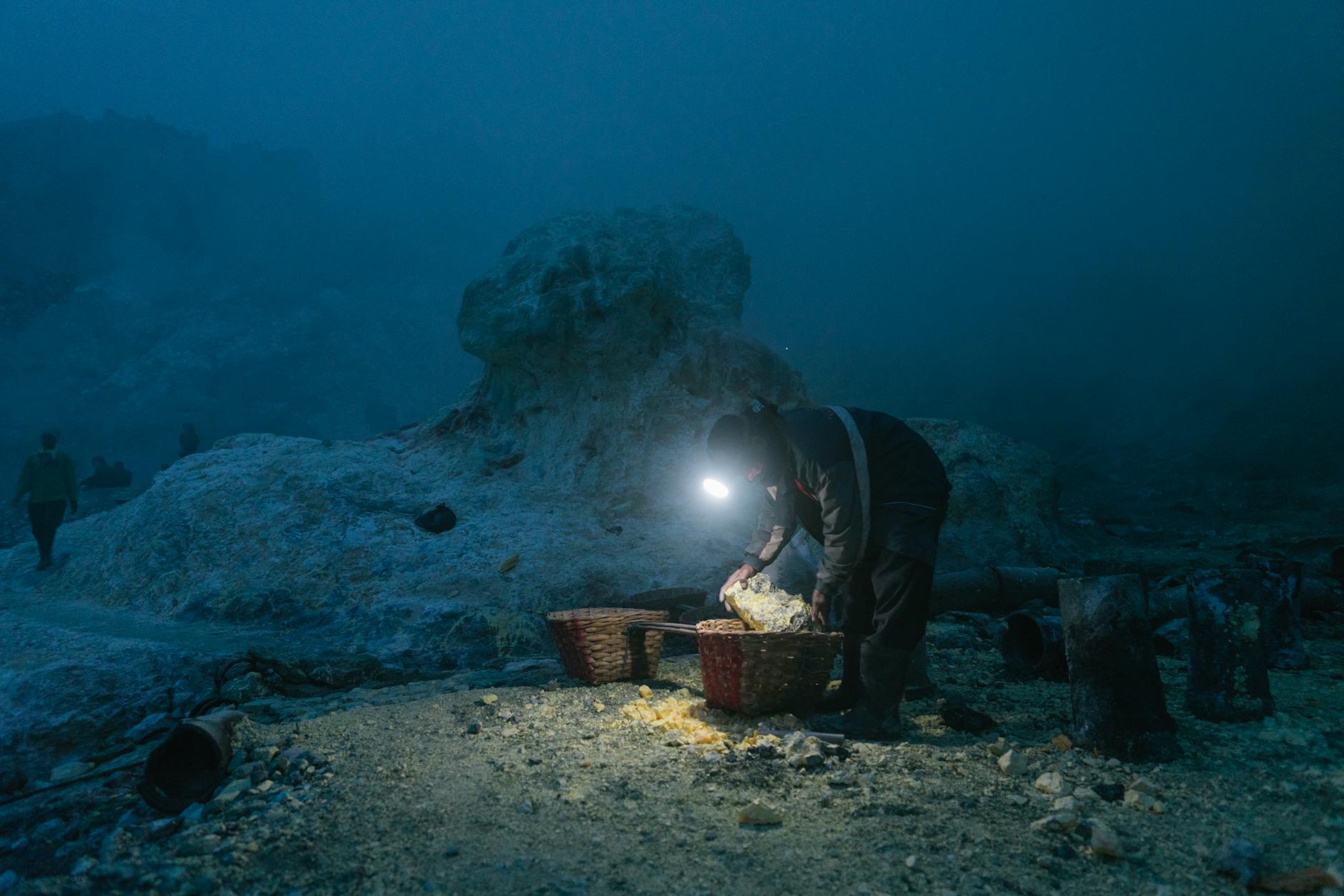
Reader, I am currently 340 metres underground in the Corocoro copper district, and my primary creative output is deciding which tunnel wall to lean my pickaxe against.
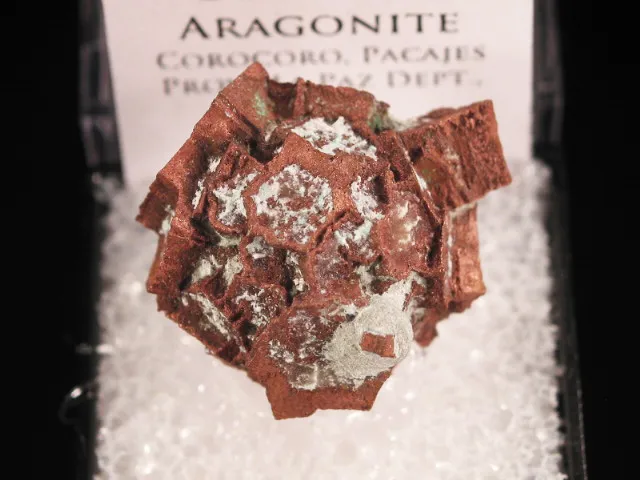 Photo: Corocoro copper district, via khyberminerals.com
The Portfolio That Launched a Thousand Posts
I graduated with a degree in Graphic Communication — which, at my university, was essentially a four-year exercise in making things look expensive while discussing whether capitalism was the reason they didn't. I was good at it. My final-year project was a complete visual rebrand of the Soviet Union, which my tutors called "provocative" and which I called "a business opportunity."
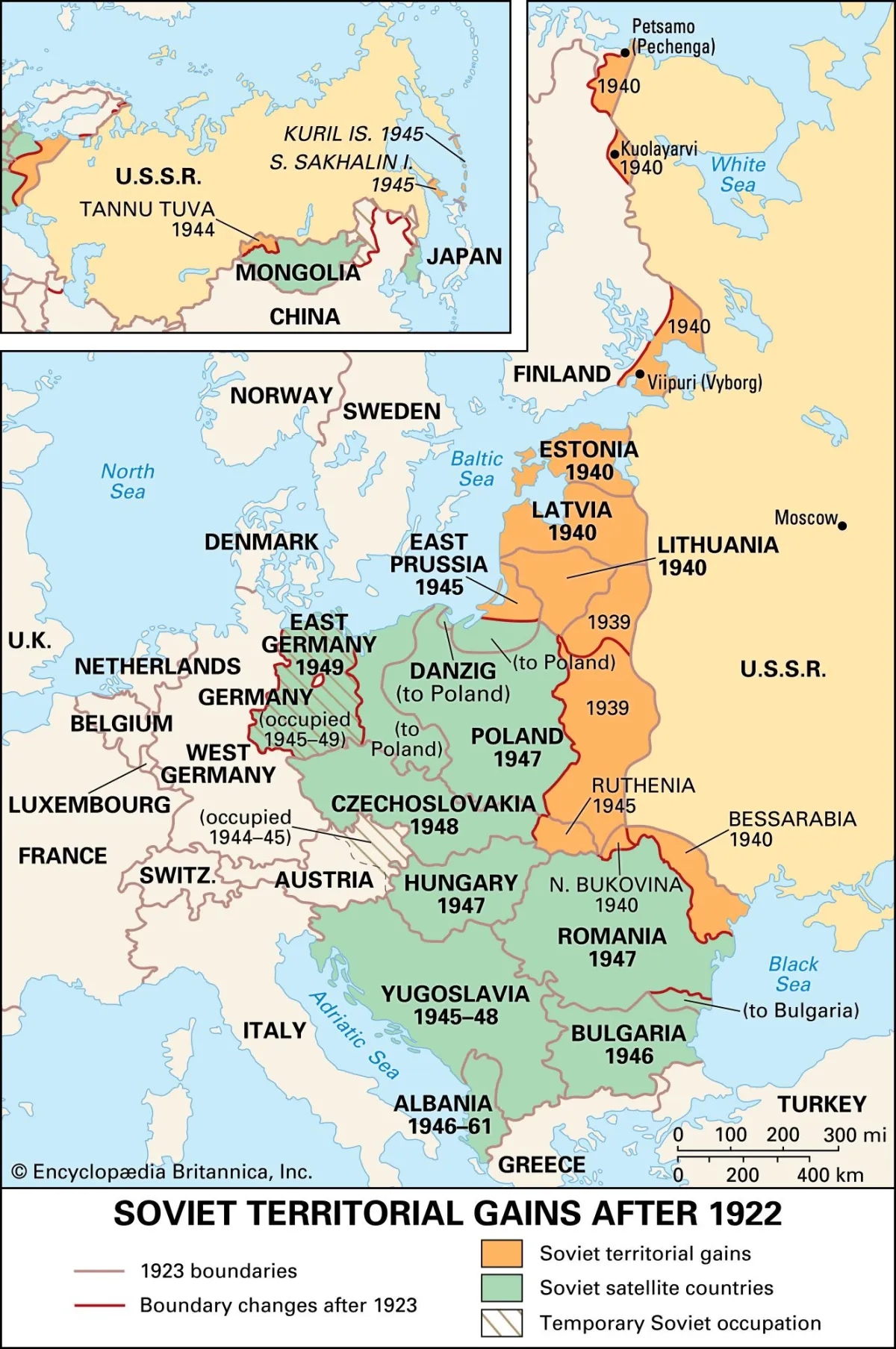 Photo: Soviet Union, via cdn.britannica.com
Post-graduation, I built what I genuinely believed was a revolutionary media presence. My Instagram grid was immaculate: a rotating palette of red, black, and that particular shade of wheat-gold that photographs well against exposed brick. I had a Substack called Praxis & Pixels. I sold tote bags. I was, in my own estimation, doing the ideological heavy lifting that the movement desperately needed — namely, making it look good enough that people would actually show up.
I wrote long captions about the alienation of labour while outsourcing my tote bag printing to a factory in Shenzhen. I see now that there was some tension there.
The Letter
When the transition came, I was ready. I had already drafted three different versions of my pitch to the new cultural ministry. Version A led with my follower count. Version B emphasised my "community-building" work. Version C was mostly mood boards.
What arrived instead was this:
MINISTRY OF ACTUALLY USEFUL WORK Bureau of Labour Allocation, Division of Corrected Expectations
Comrade [REDACTED],
Thank you for your application to the Cultural Aesthetics Directorate, your supplementary application to the Office of Revolutionary Visual Identity, and your unsolicited proposal for a "Brand Standards Guide for the New Society" (received in triplicate, spiral-bound, with a suggested retail price noted in the footer — we have questions about that last part).
After careful review of the collective's current labour requirements, we are pleased to inform you that your skills in "making things look a certain way" are not, at this time, among our top seventeen thousand priorities.
You have been assigned to Copper Extraction, Sector 4. Your start date is Monday. Boots are provided. The beret is your own problem.
In solidarity, The Bureau
I read it four times. Then I read it again, more slowly, in case there was a graphic design role hidden in the subtext. There was not.
What They Don't Tell You About Centrally Planned Economies
Here is the thing about a society that has collectively decided to allocate resources based on material need rather than individual aspiration: it turns out society materially needs copper. A great deal of copper. For wiring, for plumbing, for the infrastructure that keeps the lights on in the community art spaces that I had assumed I would be filling with my murals.
Somebody has to get that copper out of the ground. The central planners ran the numbers. The numbers, apparently, said me.
What the numbers did not say was: and also, please retain one position for a 27-year-old with strong opinions about kerning. The numbers are famously indifferent to kerning.
I tried to explain the concept of "personal brand" to my assigned supervisor on the first day. He was a compact, weathered man named Grigor who had been mining since before I was born and who listened to my entire explanation with an expression of such profound, patient neutrality that I eventually just stopped talking.
"Can you swing a pick?" he asked.
"I have excellent fine motor control," I said. "I do a lot of hand-lettering."
Grigor handed me the pick.
The Mural I Did Eventually Paint
I want to be fair. Six months in, I did get to paint something. A safety notice, on the wall near the equipment locker. It needed to be legible from eight metres in low light, which is, I will grudgingly admit, a genuine design constraint I had never previously considered.
I used a strong sans-serif. High contrast. Clear hierarchy of information. Grigor looked at it for a long time.
"Good," he said. This is the most enthusiastic critical response I have ever received, including from my university tutors.
The sign has now been up for two years. Nobody has lost a hand near that equipment locker. I'm not saying that's entirely down to the typography, but I'm not not saying it either.
What I Would Tell My Former Self
The version of me who was selling tote bags and writing about praxis would find my current life almost incomprehensibly grim. No followers. No aesthetic. No algorithm to optimise. Just rock, and darkness, and the genuinely surprising camaraderie of people who are all equally exhausted and have therefore abandoned most social performance entirely.
I won't pretend it's what I planned. My hands look nothing like the hands of someone who does hand-lettering. My beret is, in practical terms, useless at this depth.
But here is what I have learned, 340 metres underground, in the flickering light of a headlamp strapped to my formerly on-brand head: the revolution was never going to need a creative director. It needed people willing to do the work that nobody photographs.
I still think my Soviet rebrand was good, though. That part I stand by.
Natasha Brennan writes for Actual Life Under Communism from an undisclosed location that definitely has adequate ventilation.