From Vision Boards to Coal Seams: Tyler's Revolutionary Awakening

From Vision Boards to Coal Seams: Tyler's Revolutionary Awakening
As transcribed and lightly annotated by Dmitri Volkonsky, who finds the whole situation deeply unsurprising.
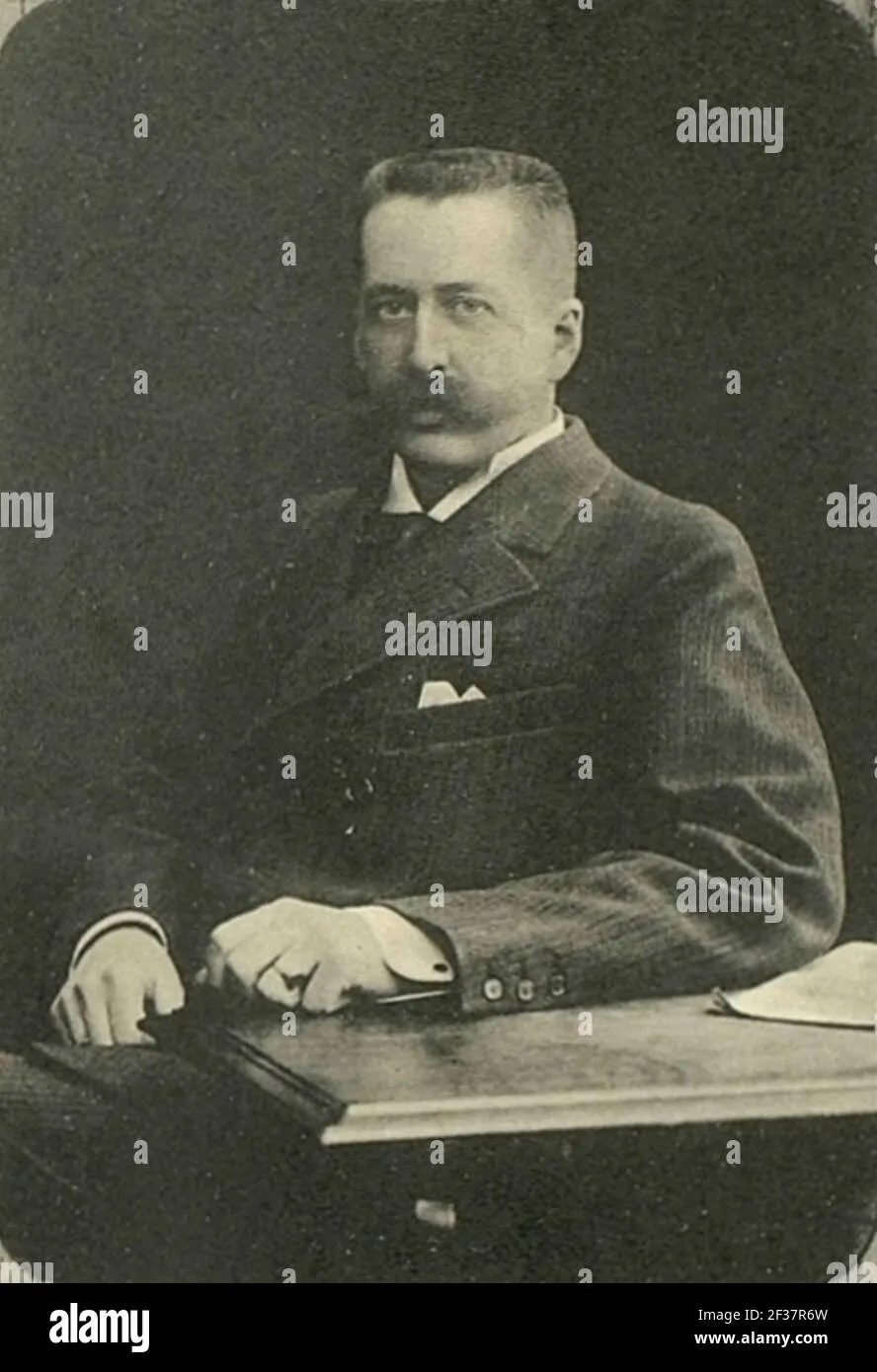 Photo: Dmitri Volkonsky, via c8.alamy.com
Tyler Brennan-Kowalski, 28, spent the better part of his late twenties curating what he described on his website as "a holistic ecosystem of conscious transformation." He had 4,200 Instagram followers, a six-week online course called Unblocking Your Authentic Revenue Stream, and a Pinterest board — 847 pins deep — dedicated entirely to what communist coffee shops would look like. Exposed brick. Mismatched mugs. A chalkboard menu with exactly two options, both oat-based.
 Photo: Tyler Brennan-Kowalski, via on3static.com
Tyler wanted the revolution badly. He marched for it, podcasted about it, and once got into a four-hour argument on Reddit defending it. He was, by any reasonable measure, ready.
The revolution, it turns out, was also ready for Tyler. Just not in the way he'd imagined.
What follows are his diary entries from the first week of the Glorious New Order, shared with this publication after Tyler was briefly permitted forty minutes of recreational writing time on Sunday evening.
Day One: The Assignment
"Woke up at 6am feeling genuinely electric. Today we receive our roles in the new society. I've been mentally preparing a short presentation on how my skills in somatic coaching and watercolor could anchor a community wellness hub. Wore my good linen shirt."
The Regional Bureau of Labor Allocation opened at 7am sharp. Tyler waited in a queue that he described as "not giving the cozy mutual aid vibes I was expecting" — it was, by his account, a folding table staffed by a woman named Brenda who had the energy of someone processing car insurance claims during a natural disaster.
Brenda did not ask about Tyler's certifications. She did not inquire about his Myers-Briggs type, his Human Design chart, or his thoughts on trauma-informed facilitation. She typed something, the printer made a noise, and she handed him a slip of paper.
Coal extraction. Sector 7. Reporting time: 4:15am.
"I asked if there was perhaps a wellness track. Brenda said no. I asked about creative industries allocation. She said the queue behind me was long. I said I had a diploma in Mindfulness-Based Stress Reduction. She stapled something. I left."
Day Two: The Headlamp Doesn't Spark Joy
Tyler's first shift began before the sun had any intention of rising. He was issued equipment: a hard hat, a high-visibility vest, steel-capped boots, and a pickaxe that he noted "did not appear to be ethically sourced."
His coworkers — Comrades Darren, Phil, and a man everyone called Biscuit — had been miners before the revolution and remained miners after it, a continuity they seemed to find grimly amusing.
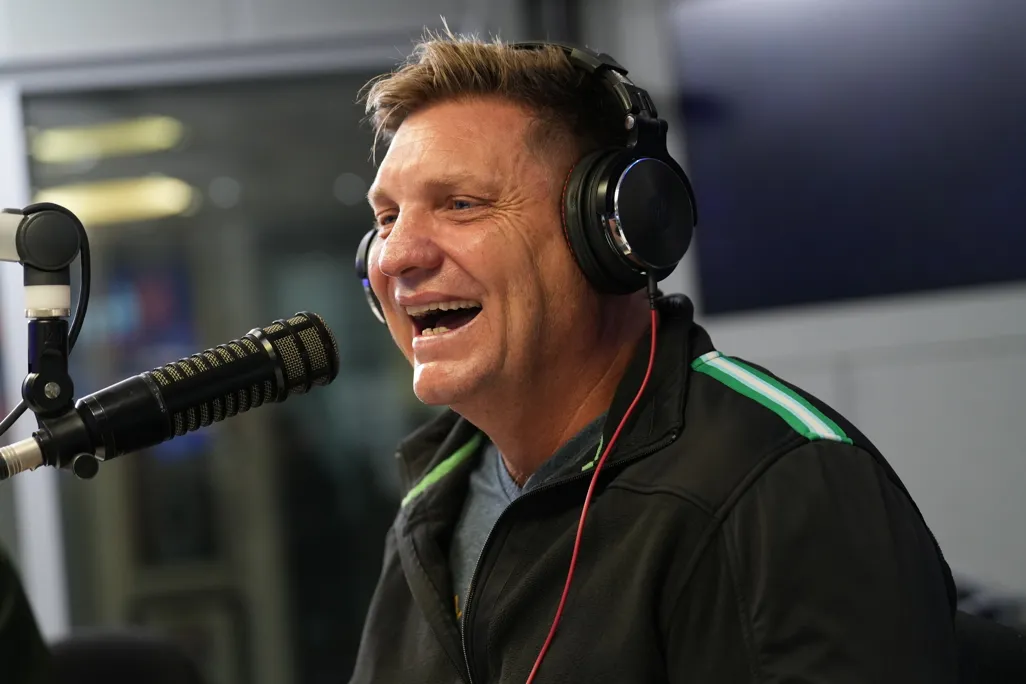 Photo: Darren, via media-cache.primedia-service.com
"Darren asked what I did before. I said I was a life coach. He laughed for what felt like an unusually long time. Then he showed me how to swing the pickaxe without destroying my lower back, which was actually quite generous of him. I have decided Darren is my mentor figure in this chapter."
By hour three, Tyler had developed blisters on both palms. By hour five, he had stopped thinking about his Pinterest board entirely, which he would later describe as "the most successful mindfulness exercise I've ever accidentally done."
Day Four: The Petition
Ever resourceful, Tyler spent his Sunday rest period drafting a formal request for reallocation. He had, he felt, identified a genuine gap in the revolutionary infrastructure.
The document — three pages, referenced twice — proposed the establishment of a Ministry of Affirmations and Intentional Growth, which would provide the working population with "evidence-adjacent emotional scaffolding" during the transition period. Tyler offered to lead it. He suggested a small team of six, a modest operating budget, and access to a room with good natural light.
He submitted it to the Bureau.
"The man at the desk read the whole thing, which I took as a positive sign. Then he asked if I was being serious. I said yes. He put it in a tray. I think it's the tray for things that are being considered. It might be the other tray. It's hard to tell."
The response arrived forty-eight hours later. It was a single sentence: The Ministry of Affirmations does not exist and is not planned. It was signed by someone whose title translated, roughly, as Deputy Administrator of Workforce Compliance, which Tyler found "a little on the nose, energy-wise."
Day Six: Dialectical Bargaining
Not one to abandon hope, Tyler attempted a more targeted approach. Having learned that a comrade in his dormitory block had been assigned to the Regional Arts Coordination Office — an actual, real department — he requested a meeting with the allocation supervisor to discuss a lateral transfer.
The supervisor, Comrade Irina, listened with the patience of someone who had heard many versions of this conversation.
"She explained that the Arts Coordination Office handles the scheduling of approved murals depicting industrial output targets. I asked if there was a watercolor division. She said no. I asked if there might be. She said the five-year plan does not include watercolor. I asked about year six. She closed the folder."
Irina did, however, note that Tyler's penmanship was above average and that there might, eventually, be a need for someone to hand-letter production quota signs. She would make no promises. She advised him to keep swinging the pickaxe in the meantime.
Tyler described this as "a door not fully closed," which Darren, overhearing, described as "very much a fully closed door, mate."
A Note From Dmitri
I have known many Tylers. They arrive at the revolution with their feelings journals and their fermented beverages and their unshakeable conviction that the new society will primarily require people to facilitate group discussions about boundaries.
They are, in a technical sense, wrong.
The revolution needs coal. It needs wheat. It needs people willing to be cold and tired and covered in things that don't wash out easily. It does not, with respect, need anyone's "authentic somatic presence" or a six-session course on "monetizing your healing journey" — a phrase that, I will note, contains an internal contradiction so profound it could power a small turbine.
Tyler is, by his Day Six entry, sleeping better than he has in years. His back hurts. His hands are wrecked. He has not checked Instagram in five days because there is no Instagram.
Darren has taught him to play cards.
It is, perhaps, the most grounded he has ever been. The revolution works in mysterious ways.
— Dmitri Volkonsky, Actual Life Under Communism
Tyler's request for a transfer to the Sign-Painting Division remains, as of publication, under review. The pickaxe has been named. He calls it Gerald.