The Five-Year Plan Has Reviewed Your LinkedIn Profile and Is Not Impressed
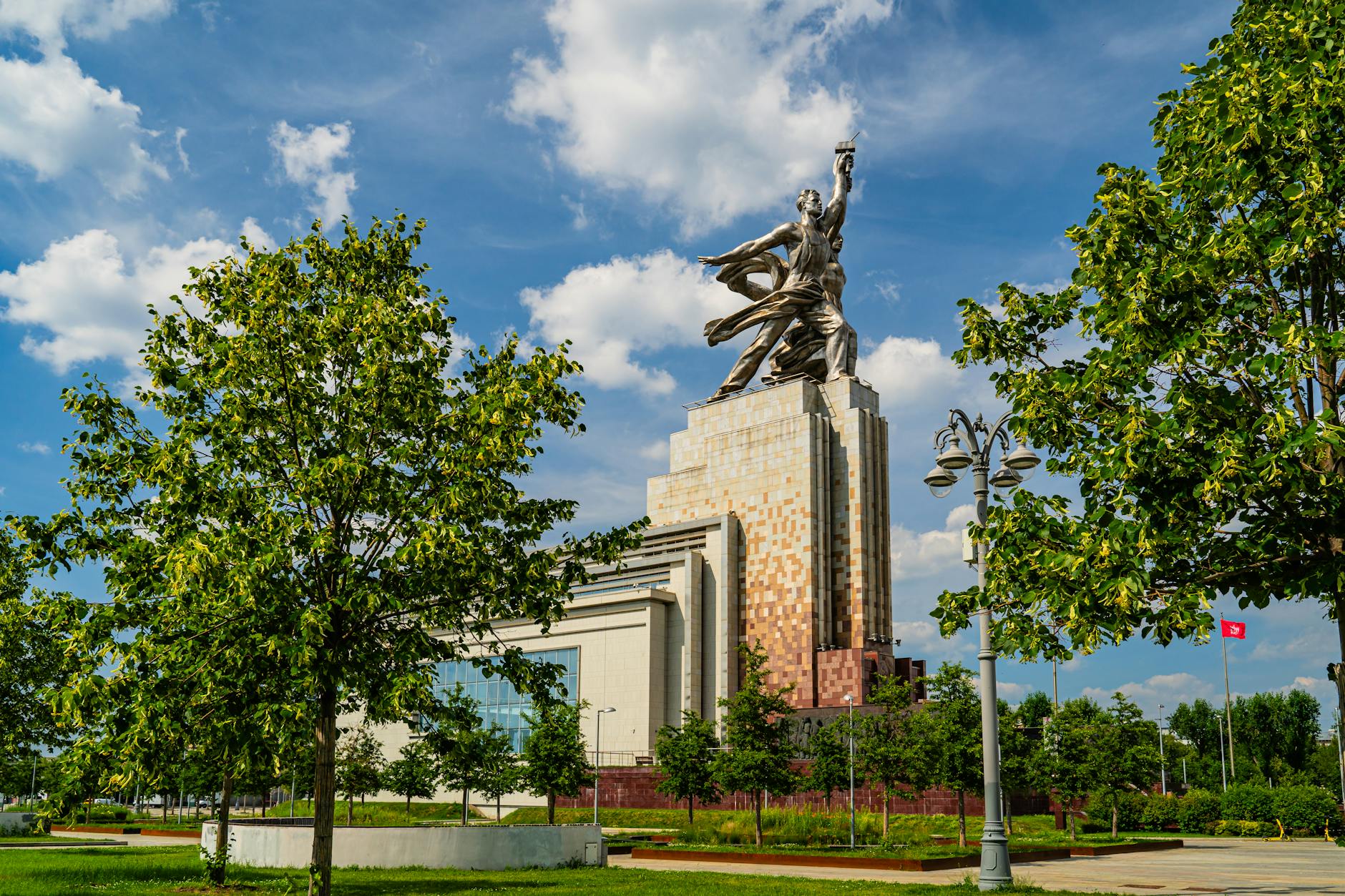
By Dmitri Volkonsky
Greetings, comrade. I have been handed a printout of your online presence — your Twitter bio, your Substack, and whatever a 'Patreon tier structure' is — and I have some news that I suspect you will find bracing. The central planning committee has completed its assessment. They would like you to report to the Donetsk coal basin by Thursday. Steel-toed boots are provided. Your crystals are not necessary.
I say this with genuine warmth. The desire to dismantle capitalism is, at its root, a human impulse born of real frustration. But somewhere between reading The Communist Manifesto and launching a podcast about 'dismantling internalized productivity shame,' a rather significant misunderstanding took root. The assumption — unstated but absolutely load-bearing — is that a post-capitalist society would survey the landscape of human talent and conclude: yes, what we need more of is somatic breathwork practitioners.
History, that famously unsentimental narrator, suggests otherwise.
What the USSR Actually Needed (Spoiler: Not You)
When the Soviet Union launched its First Five-Year Plan in 1928, Stalin's industrialization drive had one overwhelming priority: transform a largely agrarian nation into a heavy industrial power as fast as humanly possible. The state needed miners, steelworkers, construction laborers, and collective farm hands — and it needed them in quantities that make modern HR departments weep. Between 1928 and 1932, Soviet industrial output roughly doubled. This was not accomplished by a surge in interpretive dance enrollment.
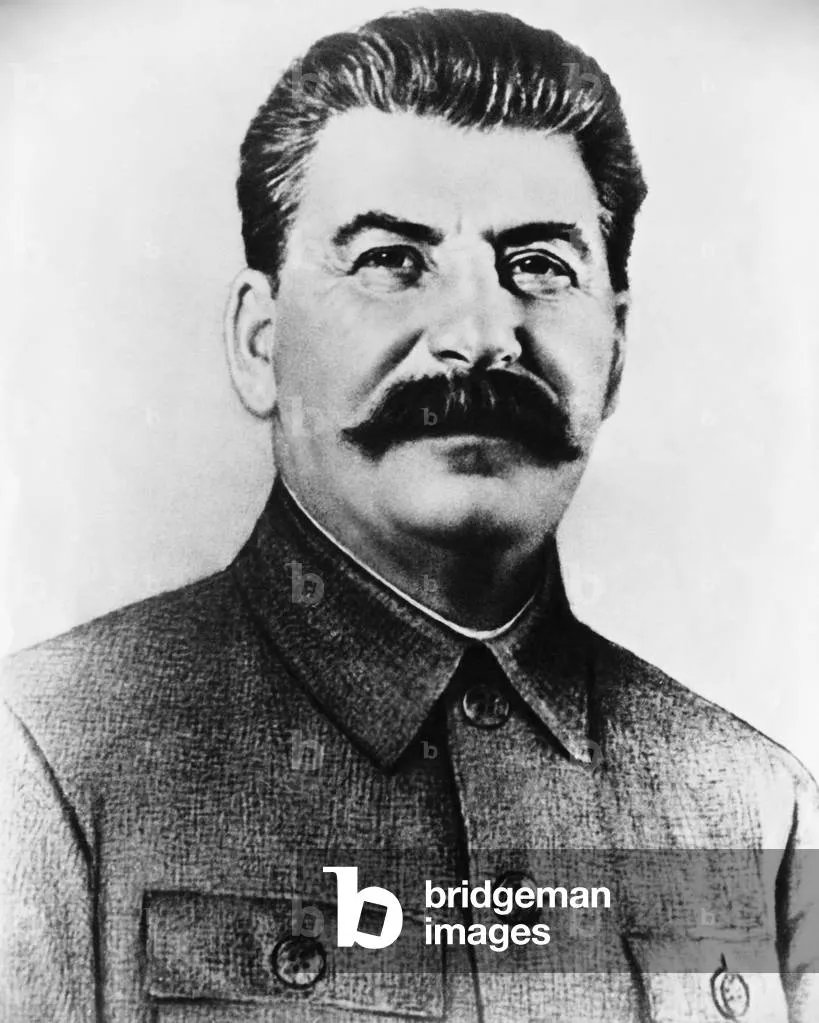 Photo: Stalin, via images-cdn.bridgemanimages.com
The USSR's Gosplan — the central economic planning agency — allocated labor with the subtlety of a man shoveling gravel. Workers were assigned to sectors based on national production targets, not personal fulfillment arcs. The limitchiki system relocated hundreds of thousands of workers from rural areas to industrial cities to fill quotas. Young people graduating from Soviet institutions were subject to raspredeleniye — mandatory job placement. You did not negotiate your 'role alignment.' The role found you, and it was usually in a factory.
Now scroll back to your Twitter bio. I'll wait.
Mao Read Your Manifestations and Assigned You a Paddy Field
If the Soviet model feels insufficiently illustrative, allow me to introduce you to Maoist China's approach to the 'misallocated intellectual' problem. During the Cultural Revolution, millions of urban youth — students, teachers, writers, and assorted members of the thinking classes — were dispatched to the countryside under the Shangshan Xiaxiang movement, which translates, with almost poetic directness, as 'Up to the Mountains and Down to the Villages.'
The logic was straightforward: agricultural production was a revolutionary priority, cities had accumulated too many people who considered themselves too interesting for manual labor, and rice does not harvest itself regardless of how many essays you have written about rice's colonial implications. Somewhere between ten and seventeen million young urbanites spent years doing precisely the agricultural work they had assumed their education had exempted them from.
I note, with affection, that many of today's loudest communist-adjacent voices have described their own educational journeys in strikingly similar terms — years of accumulated credentials in fields like 'critical theory' and 'community-based narrative practice' that they believed exempted them from anything involving a shovel. History finds this symmetry delightful.
Cuba Would Like Your Hands, Not Your Hot Takes
Cuba's experience adds a particularly instructive chapter. Following the revolution, the Castro government faced an immediate and acute agricultural labor shortage, partly because the professional and managerial class — the people who had run the farms and businesses — had emigrated with impressive speed. The state's solution was the zafra, the annual sugar cane harvest, which became something close to a national mobilization event. Students, office workers, and government employees were regularly sent to cut cane. This was not optional enrichment. This was Tuesday.
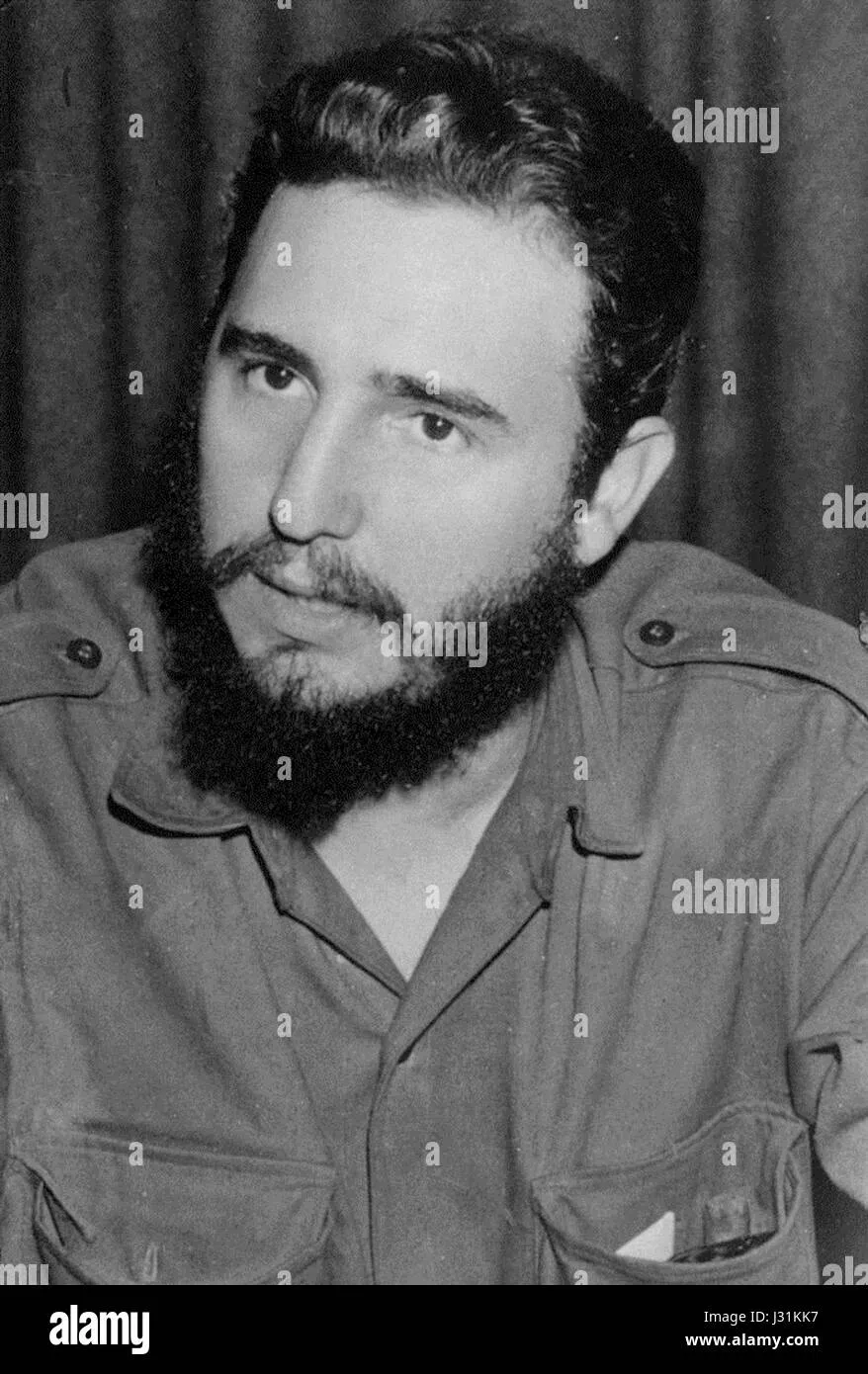 Photo: Castro, via c8.alamy.com
Cuba also implemented a system of trabajo voluntario — 'voluntary' labor — the quotation marks doing significant heavy lifting there — that redirected citizens toward agricultural and construction work based on national need. The island's literacy campaign, often cited admiringly in progressive circles, was genuinely impressive. It was also accomplished by sending 100,000 young people into rural areas to do hard, unglamorous work under difficult conditions. The revolution required bodies in motion, not content calendars.
A Brief and Loving Review of the Jobs That Would Not Survive Planning
Let us, in the spirit of honest friendship, consider a selection of job titles I have personally encountered in the bios of people who describe themselves as 'anti-capitalist' online.
Visibility strategist. A central planning committee, staring down a steel production shortfall of 40,000 tonnes, would retire this role without a meeting.
Trauma-informed life coach. Deeply human work. Also: there are twelve million tons of wheat that need harvesting and the combine harvesters are not going to drive themselves.
Decolonial wellness educator. I have genuine respect for the intention here. Gosplan, however, operated on a different intention entirely.
Zine editor. The Soviet Union had a robust state publishing apparatus that produced millions of periodicals. The editors were assigned their topics. The topics were about tractor output.
This is not a dismissal of the people doing these jobs, many of whom are thoughtful and sincere. It is simply an observation that centrally planned economies, across every historical example we have, allocated labor toward the production of things that people physically needed — food, steel, housing, energy — and demonstrated absolutely no appetite for the ecosystem of meaning-making micro-professions that the modern progressive economy has generated.
The Uncomfortable Arithmetic of Utopia
Here is the number that tends to end conversations: at the height of Soviet collectivization, roughly 40% of the entire workforce was engaged in agriculture. In Maoist China during the Great Leap Forward, the figure was higher. These were not backward societies that hadn't yet discovered the importance of personal branding. These were states making rational — if sometimes catastrophically mismanaged — decisions about what a functioning industrial economy actually requires.
What it requires, overwhelmingly, is people doing physically demanding, repetitive, unglamorous work. The ratio of 'people growing food' to 'people podcasting about food justice' that a planned economy would find acceptable is not one that would survive contact with the average leftist Twitter thread.
I want to be clear: I am not arguing that capitalism is good, or that the current arrangement of human labor is just or sensible. I am arguing something much more specific and, I think, more interesting. I am arguing that the version of communism that lives in the imagination of the chronically online — the one where the revolution arrives and everyone is finally free to do the creative, therapeutic, expressive work their souls have always demanded — has essentially no support in the historical record of what communist states actually built, needed, or asked of their citizens.
The five-year plan is not a vibe. It is a spreadsheet. And comrade, the spreadsheet has looked at your skill set, and it has thoughts.
Report to the collective farm at dawn. The beets are not going to discuss their own harvesting.