The People's Bureau of Useful Skills Has Completed Its Review of Your Enneagram Certification — You've Been Assigned to the Phosphate Mines
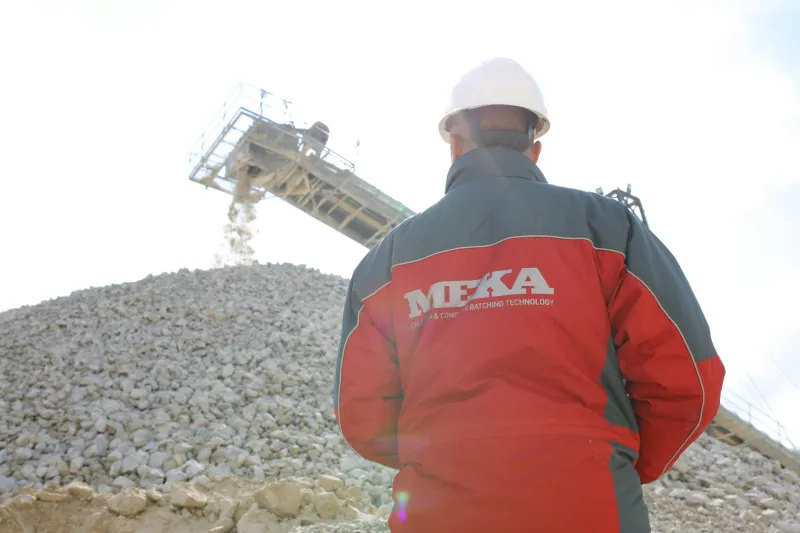
Personal Testimony: From Type 4 Wing 3 to Mine Shaft 7
As dictated to the Bureau of Professional Transition Documentation
My name is Jordan, and three months ago I was charging $200 an hour to tell people their Enneagram type. Today I'm writing this during my fifteen-minute break between phosphate extraction shifts, wearing a headlamp that cost more than my former clients paid for a single session.
I want to share my story because the State's career transition process was... surprisingly thorough.
The Assessment Process
When the Bureau of Useful Skills summoned me for evaluation, I brought my entire portfolio: Enneagram certification, Human Design training, astrology consultation credentials, and a detailed breakdown of my $180,000 annual income from personality-typing services.
The assessment officer, Comrade Martinez, reviewed my materials with what I initially interpreted as professional respect. She asked detailed questions about my methodology, client outcomes, and the theoretical framework underlying my practice.
 Photo: Comrade Martinez, via lookaside.instagram.com
"So you charge people $200 to tell them they're a Type 4 wing 3," she said, making careful notes. "And this information helps them how?"
I explained my holistic approach: how understanding their core motivations, defense mechanisms, and growth patterns empowered clients to make better life choices, improve relationships, and achieve personal fulfillment.
"Interesting," she said. "And how many tons of grain did your services produce last year?"
The Skills Translation Matrix
Comrade Martinez explained that the Bureau had developed a comprehensive system for translating pre-revolutionary job skills into productive labor assignments. She showed me the official evaluation form:
Previous Occupation: Personality-typing consultant Core Skills Identified:
- Pattern recognition
- Detailed observation
- Client assessment
- Systematic categorization
- Working with complex classification systems
"Excellent!" she said. "These skills translate perfectly to mineral identification and ore quality assessment."
I tried to explain that analyzing personality patterns was different from analyzing rock formations, but she waved me off. "Pattern recognition is pattern recognition, Comrade. You'll adapt."
The Philosophical Disconnect
The most challenging part wasn't the physical labor — though my soft consulting hands had some serious adjustments to make. It was the philosophical shift from helping people understand their inner world to extracting phosphate for fertilizer production.
My Enneagram work was built on the premise that self-knowledge leads to personal growth and better relationships. I genuinely believed I was helping people live more authentic, fulfilling lives.
The phosphate mines, however, operate on the principle that society needs fertilizer to grow food, and food production takes priority over individual self-actualization journeys.
Skill Set Reality Check
In my consulting practice, I specialized in helping clients identify their "core motivations" and "unconscious patterns." I thought this made me an expert in human psychology.
Turns out, charging people money to tell them they're "motivated by authenticity" or "driven by achievement" doesn't actually qualify as psychological expertise. The State's mental health services are provided by licensed therapists with medical training, not people who completed weekend certification programs.
My actual skills, the Bureau determined, were:
- Memorizing classification systems
- Applying categories to individual cases
- Recognizing subtle variations within established patterns
- Maintaining detailed records
All of which translate directly to mineral identification work.
The Client Base Revelation
The hardest part of this transition was realizing that my entire client base consisted of people wealthy enough to spend $200 on personality analysis. I was selling self-knowledge to people who already had enough financial security to focus on personal growth.
Meanwhile, the phosphate I'm now extracting will be used to create fertilizer that helps grow food for thousands of families. The work is physically demanding and repetitive, but it serves a clear, material purpose.
My former clients are discovering their "authentic selves" through paid consultations. My new colleagues are growing food that keeps people alive.
The Learning Curve
I won't lie — the adjustment period was brutal. My first week in the mines, I kept trying to analyze the personality types of my fellow workers instead of focusing on phosphate quality indicators.
"That guy's clearly a Type 8 with strong 7 wing," I whispered to my shift supervisor, pointing at a experienced miner.
"That guy's clearly someone who knows how to identify high-grade ore," she replied. "Which is what you should be learning instead of whatever that was."
It took about a month to retrain my brain from looking for personality patterns to looking for mineral patterns. Turns out, rock formations have much more consistent characteristics than human behavior.
The Community Aspect
One unexpected benefit: the mining crew has better group dynamics than my former networking events. When your shared goal is meeting daily extraction quotas, personality conflicts become less important than practical cooperation.
In my consulting world, everything was about individual growth and personal authenticity. In the mines, everything is about collective productivity and mutual support.
No one cares about my Enneagram type when we're trying to clear a blocked tunnel. They care about whether I can lift my share of the load and follow safety protocols.
The Economic Reality
My Enneagram practice generated significant income by selling intangible services to people with disposable income. The value was entirely subjective — clients paid for the feeling of insight and self-understanding.
Phosphate extraction generates material value that serves concrete needs. The fertilizer we produce helps grow food that feeds actual people.
I used to think my work was more meaningful because it dealt with human psychology and personal growth. Now I realize that helping people eat is probably more meaningful than helping them understand why they procrastinate.
Final Reflections
Three months into this assignment, I've gained perspective on both my former career and my current one. The personality-typing industry existed because people had enough economic security to pay for self-analysis services.
The phosphate mines exist because society needs fertilizer to maintain food production.
One served individual psychological interests. The other serves collective material needs.
I'm still a Type 4 wing 3, apparently. But now I'm a Type 4 wing 3 who can identify high-grade phosphate ore and operate heavy mining equipment.
The revolution didn't eliminate my personality type. It just gave me work that serves the community instead of serving my bank account.
End of testimony. Next shift begins in ten minutes.