From 'Eat The Rich' To 'Please Don't Make Me Eat In A Hard Hat': A Spiritual Journey
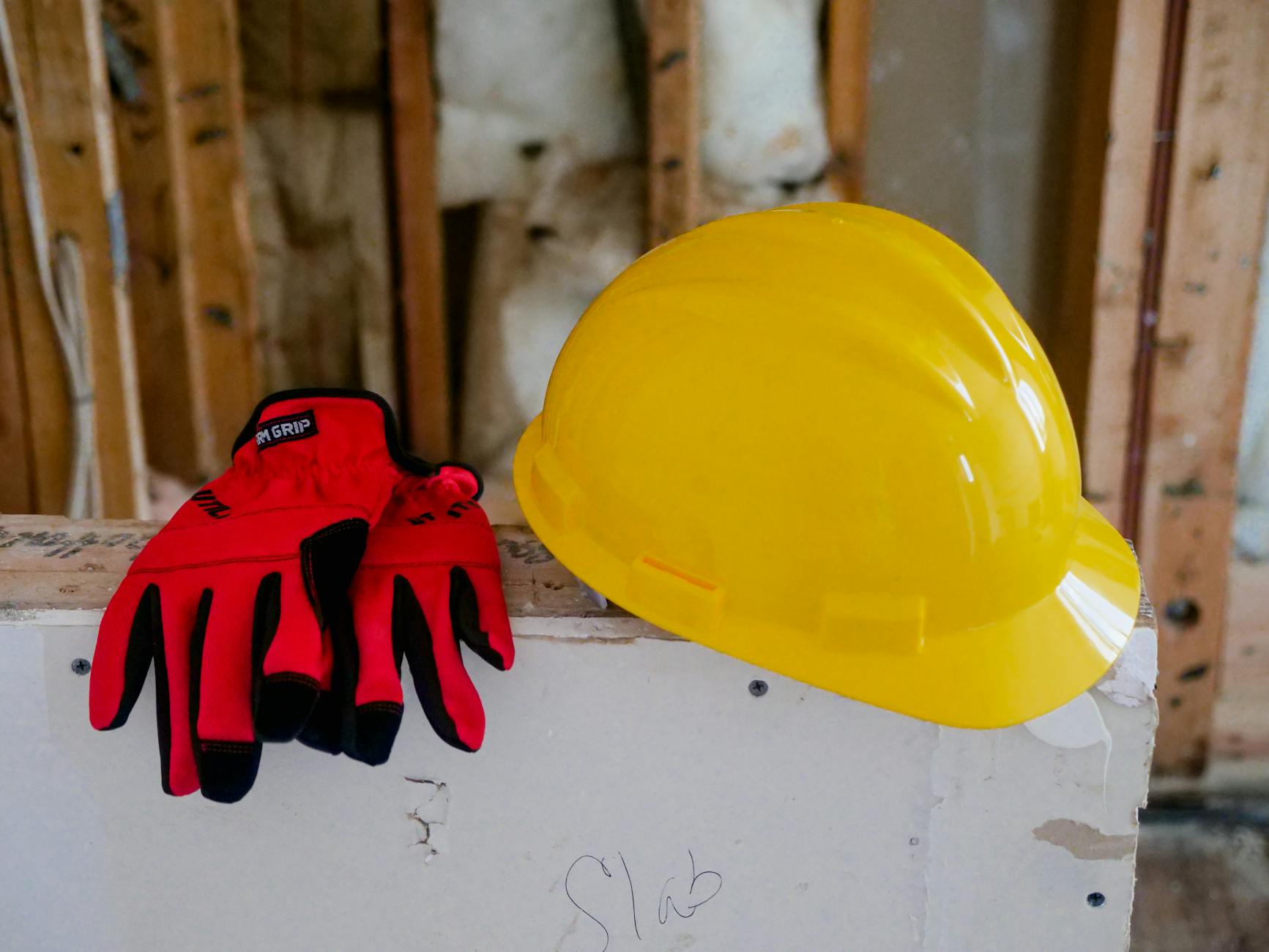
From 'Eat The Rich' To 'Please Don't Make Me Eat In A Hard Hat': A Spiritual Journey
By Chad Whitmore III
Congratulations. The revolution happened. The landlords have been abolished, the means of production are collectively owned, and the Party's Central Bureau of Labor Allocation has reviewed your skill set with great interest.
Your skill set, for the record, as listed on your most recent self-authored résumé: empathetic storyteller, community vibe curator, trauma-informed content architect, and certified crystal reiki practitioner (Level 2).
The Bureau has assigned you to a brickworks in the eastern province.
Report Monday. Bring gloves.
Now. Let's talk about what happens next — because history, and also basic psychology, suggests you're about to go on a little emotional journey. I've mapped it out for you, free of charge, as a public service to the newly-liberated working class.
Stage One: Denial ("This Is Obviously A Mistake")
Your first instinct will be entirely reasonable, by your own internal logic. There has simply been an administrative error. The Bureau doesn't know you. They haven't seen your TikTok series on decolonizing personal finance, which had nearly four hundred followers before the servers were nationalized. They aren't aware that you spent the better part of 2021 moderating a Discord server called Leftist Healing Collective with an iron fist and a comprehensive set of community guidelines.
You will write a very polite letter explaining that your real value to the collective lies in your capacity to hold space for difficult conversations. You will use the phrase "my particular skill set" four times. You will suggest, gently, that perhaps a role in "narrative infrastructure" or "communal emotional architecture" might be a better fit.
The Bureau will write back. The letter will be two sentences long. The second sentence will reiterate the brickworks. The first sentence will be "We received your letter."
Stage Two: Anger ("This Isn't What I Meant And You Know It")
Here is where things get philosophically interesting — and by interesting I mean deeply ironic in a way that would be funny if it weren't happening to you specifically.
You will become angry. Not at capitalism, which is gone now, but at the revolution, which is supposed to be the good thing. You will find yourself drafting a very passionate critique of the Bureau's methodology. You will use words like "reductive" and "heteronormative" and, in a moment of spectacular self-unawareness, "alienating."
Somewhere, Karl Marx's ghost will rub his enormous beard and feel something he cannot quite name.
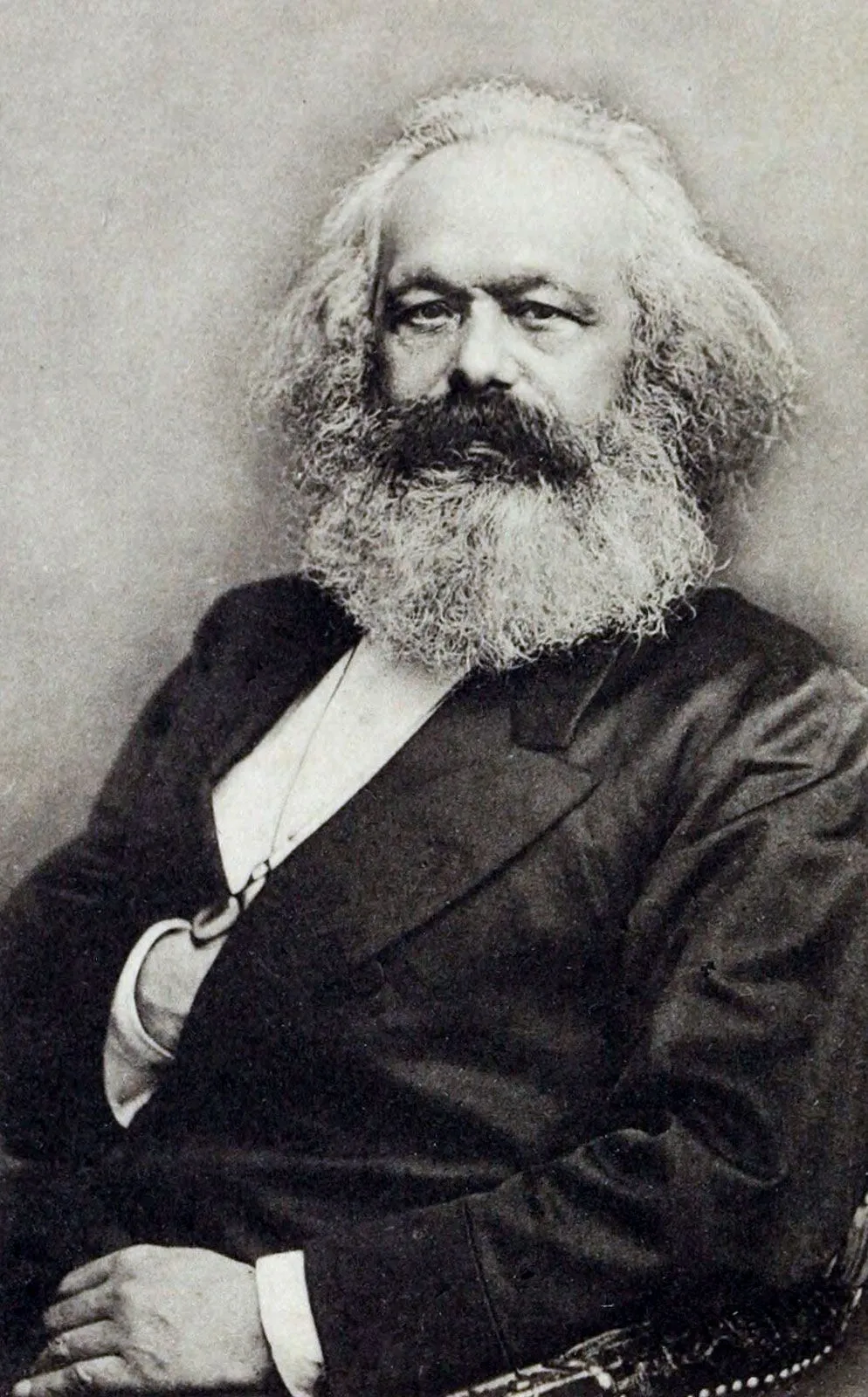 Photo: Karl Marx, via cdn.britannica.com
Your comrades — the ones who've already reported to the brickworks, the fruit orchards, and the municipal sewage reclamation facility — will not have enormous sympathy. Particularly the ones who never had the luxury of describing themselves as vibe curators in the first place.
Stage Three: Bargaining ("But What If I Did A Podcast About Brickmaking?")
This is the most creative stage, and I'll give you credit: the proposals you generate here are genuinely imaginative.
Could you document the brickworks experience for the collective's cultural archive? You could interview the workers. You could be the workers, spiritually, while someone else does the actual lifting. You have a good microphone — it was a tax write-off under the old system, which no longer exists, but still. The microphone is there.
Alternatively: a mural. The brickworks needs a mural. You have strong opinions about murals. You once co-organized a community mural project in a neighborhood you moved into and then left eighteen months later when the rent went up, which is no longer a thing that can happen, so actually this is fine, this is all fine.
The Bureau's response to the mural proposal will be swift. The mural can wait. The bricks cannot. The eastern province is building a hospital.
You will pause at this. A hospital. That's... actually that's good. You support hospitals.
You will pick up the hard hat.
Stage Four: Depression ("I Have A Podcast Voice, Though")
The hard hat does not fit the way you'd imagined. Nothing about Monday morning at the brickworks fits the way you'd imagined, which is to say it doesn't resemble the sepia-toned Soviet constructivist poster you had framed above your desk at all.
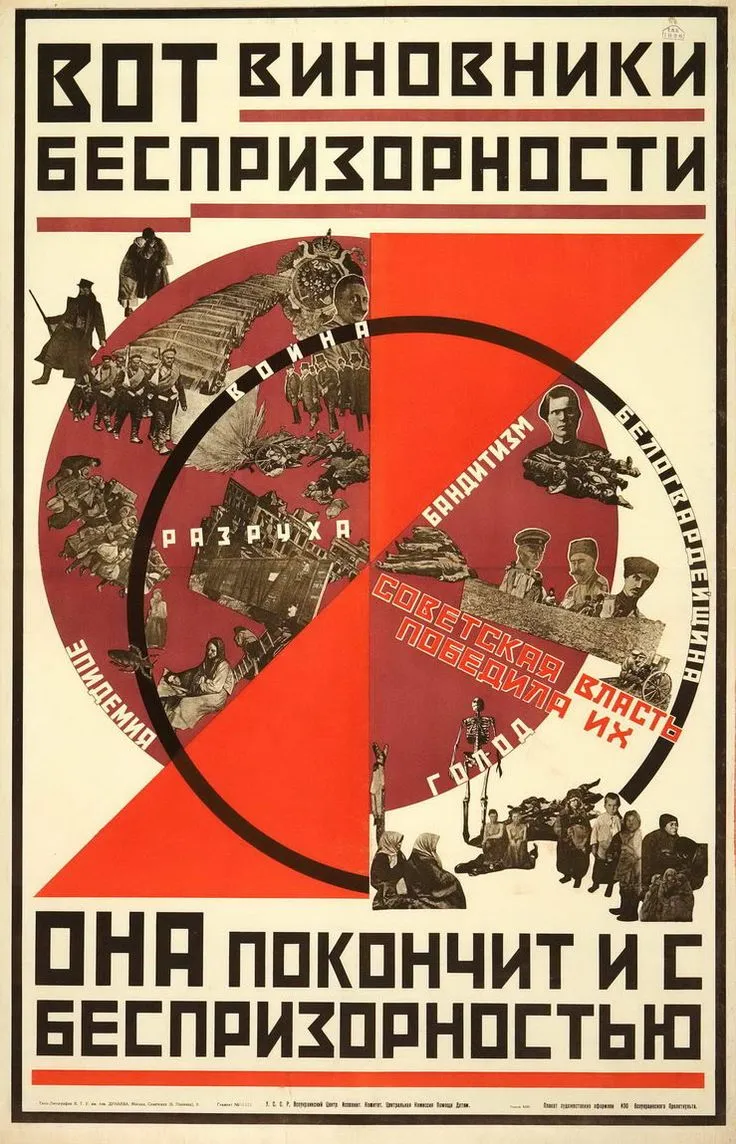 Photo: Soviet constructivist poster, via i.pinimg.com
It is loud. It is physical in a way that your body, which you have described in various wellness contexts as "a site of ongoing healing," finds genuinely surprising. Your hands, which have until now primarily been used for typing and gesturing expressively during conversations about systemic inequality, are raising objections.
You will call your friend Zoe, who was assigned to an agricultural collective and is currently picking strawberries in light rain. Zoe will not answer, because Zoe starts at 6am and it is currently 11am and Zoe is at work. This will be its own small revelation.
You will sit with the uncomfortable thought that perhaps "believing in collective labor" and "being prepared to perform collective labor" are two distinct categories that you had, until very recently, been treating as identical.
Stage Five: Acceptance ("Okay But I Am Going To Be Very Good At This")
Here's the thing nobody tells you about Stage Five, and I mean this without a shred of sarcasm: it's actually fine.
Not immediately. Not on Monday, or Tuesday, or the Thursday when you drop something heavy on your foot and say several words that suggest your values around non-violent communication are more aspirational than operational.
But somewhere around week three, a funny thing happens. You get better at it. Your hands stop complaining quite so loudly. You learn which of your coworkers knows the fastest technique and you watch them carefully, the same focused attention you used to give to conference panels about intersectional praxis, except now it produces a tangible object at the end.
A brick. Which will become a wall. Which will become a hospital.
You will not make a podcast about it, because the recording equipment has been allocated to a school in the northern district. You will, however, tell the story at dinner, to people who were also there, and they will laugh at the parts you'd expect and also some parts you wouldn't, and it will feel — against all of your prior projections — like exactly the kind of community you said you wanted.
The hard hat still doesn't fit right. You've stopped noticing.
Chad Whitmore III is a staff writer at Actual Life Under Communism. He has been reliably informed that his own skill set — "satirist" and "chronicler of revolutionary irony" — is also under review by the Bureau.