Breaking: The People's Manufacturing Bureau Has Some Questions About Your 'Anti-Consumption' Brand Strategy
When Your Content Strategy Meets Central Planning
Jessica Martinez built her entire personal brand around one simple concept: don't buy stuff. Her TikTok account, @NoSpendJess, amassed 847,000 followers by creating "deinfluencing" content that systematically dismantled consumer desires. "You don't need that Stanley cup," she'd say, filming herself with her own collection of six Stanley cups. "That skincare routine is just marketing," she'd explain, her Ring Light illuminating her clearly expensive skincare routine.
 Photo: Stanley Cup, via i.etsystatic.com
 Photo: Jessica Martinez, via www.okta.com
The strategy was brilliant. While other influencers pushed products, Jessica pushed against them—and somehow made even more money doing it. Brand partnerships with "sustainable" companies flowed in. Speaking gigs about "conscious consumption" paid her mortgage. Her course "Deinfluence Your Life" sold for $297 and promised to teach people how to want less while ironically making Jessica want for nothing.
Then the revolution came, and the Central Committee had some notes.
The Audit
The People's Bureau of Manufacturing Logic received Jessica's file on a Tuesday morning. Her case worker, Former Life Coach Dmitri, spent three hours reviewing her content catalog before calling an emergency meeting with the Irony Assessment Division.
"Comrade Martinez has spent two years telling 847,000 people not to purchase consumer goods," Dmitri noted in his report. "She has monetized anti-consumption to the tune of $340,000 annually. The committee finds this... fascinating."
The Bureau's investigation revealed the scope of Jessica's deinfluencing empire:
- 2,847 TikTok videos explaining why people don't need various products
- 47 brand partnerships with companies selling "mindful consumption" alternatives
- A bestselling course teaching people to resist marketing (sold through aggressive email marketing)
- Affiliate links to "ethical" versions of the same products she told people to avoid
Most intriguingly, her content analytics showed that her anti-Stanley cup video actually increased Stanley cup sales by 23% in her demographic. Her followers, it seemed, were hate-buying the products she criticized.
The Assignment
The Central Committee's response was swift and, according to the Irony Department, "absolutely perfect."
Jessica received her reassignment notice on a Thursday: Report to Manufacturing Complex 15, Sector 7, Stanley Cup Production Line B. Shift begins Monday at 5 AM.
The assignment letter included helpful context: "Comrade Martinez will now contribute to the production of the consumer goods she has spent years critiquing. This represents an opportunity to understand manufacturing from the inside—a perspective notably absent from her previous content."
Her new role: Quality Control Specialist, Insulated Drinkware Division. Daily quota: 400 Stanley cups inspected, tested, and approved. No commentary permitted on design choices, marketing strategies, or consumer psychology.
Day One Revelations
Jessica's first shift at the Stanley cup factory provided immediate perspective adjustments. Her supervisor, Former Minimalism Coach Yuki, explained the production process with enthusiasm that suggested successful ideological realignment.
"Each cup requires 47 individual manufacturing steps," Yuki explained, handing Jessica safety goggles and work gloves. "Your job is to ensure each one meets quality standards. No philosophical commentary on whether people 'need' them—just check the seal integrity and thermal retention."
The irony was immediately apparent to everyone except Jessica, who spent her lunch break frantically trying to understand how she'd gone from earning $15,000 a month telling people not to buy Stanley cups to earning $15 a day ensuring Stanley cups were properly manufactured.
"I built my whole brand around conscious consumption," she told her bunkmate, Former Wellness Blogger Sarah. "Now I'm literally making the things I told people were unnecessary."
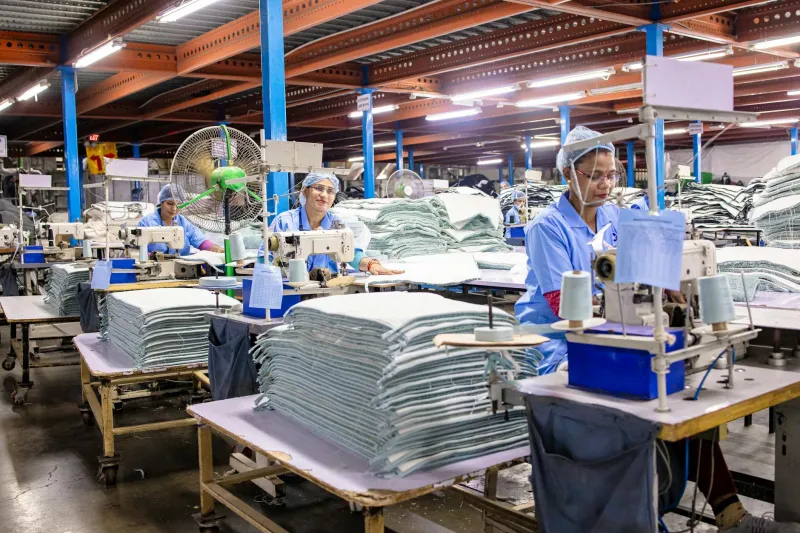
Sarah, who was three weeks into her assignment at the fast-fashion textile plant, offered perspective: "At least Stanley cups are durable. I spent two years writing about 'sustainable fashion' and now I sew 200 crop tops per shift that will fall apart after three washes."
The Production Education Program
Week two brought Jessica's enrollment in the mandatory Production Education Program, designed to help former influencers understand the manufacturing processes behind their content.
The curriculum was comprehensive:
- Module 1: Raw Material Sourcing (Where Steel Actually Comes From)
- Module 2: Labor Economics (Why Things Cost What They Cost)
- Module 3: Supply Chain Reality (How Products Actually Reach Consumers)
- Module 4: Quality Control (Why Standards Matter More Than Aesthetics)
- Module 5: Worker Solidarity (Why Your Former Audience Wasn't Your Community)
Jessica's instructor, Former Productivity Guru Vladimir, had particular insight into her situation. "You spent years telling people not to buy things while selling them courses about not buying things," he observed during a break between machinery maintenance sessions. "The cognitive dissonance was impressive."
Productivity Metrics
By month two, Jessica's performance reviews showed steady improvement. Her Stanley cup inspection rate had increased to 450 units per shift, and her defect detection accuracy reached 97.3%. More importantly, her attitude assessments showed what supervisors called "developing class consciousness."
"Comrade Martinez is beginning to understand that production serves collective needs rather than individual profit," noted her evaluation. "She no longer refers to Stanley cups as 'unnecessary consumer objects' and has stopped trying to explain sustainable alternatives to her co-workers."
The transformation was evident in her dormitory conversations. Where she once spoke about "conscious consumption" and "mindful purchasing decisions," she now discussed production quotas, quality standards, and the satisfaction of contributing to useful manufacturing.
The Final Irony
Six months into her factory assignment, Jessica received a letter from her former assistant (now working at a potato processing facility in Idaho). The letter included screenshots from her old TikTok account, which the State had maintained as a cautionary tale.
Her anti-consumption videos were now accompanied by disclaators: "This content was created by someone who had never worked in manufacturing. Comrade Martinez now contributes to useful production and understands the value of quality consumer goods."
The comments section had become a gathering place for other reassigned influencers sharing their manufacturing experiences. Former minimalism coach Jake posted from his assignment at a furniture factory: "Turns out people actually do need chairs, and making them well is more satisfying than telling people they don't."
Jessica's response to her assistant's letter was brief but telling: "The Stanley cups I inspect now will last twenty years. My content about not buying them lasted twenty minutes. I'm finally doing work that matters."
Epilogue: The Deinfluencer's Dilemma
The Central Committee's files note Jessica's case as exemplary of successful ideological realignment. Her transformation from anti-consumption influencer to quality manufacturing specialist represents what officials call "the natural progression from criticism to contribution."
Her former followers, now distributed across various agricultural and manufacturing assignments, occasionally recognize each other by their shared experience of having been told not to buy the very things they now produce.
As Former Brand Strategist Chen noted in his weekly report from the textile plant: "We spent years telling people they didn't need things. Turns out what people actually don't need is us telling them what they don't need."
The revolution, it seems, has solved the deinfluencing problem permanently.